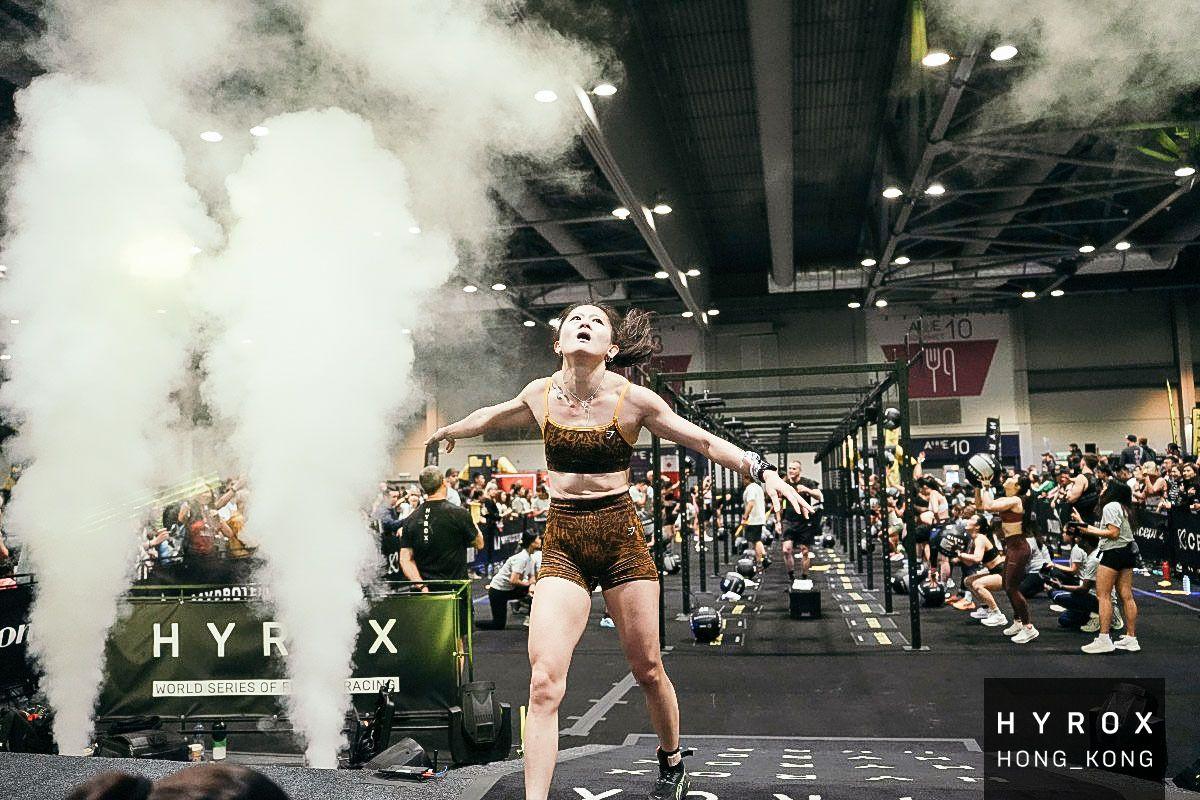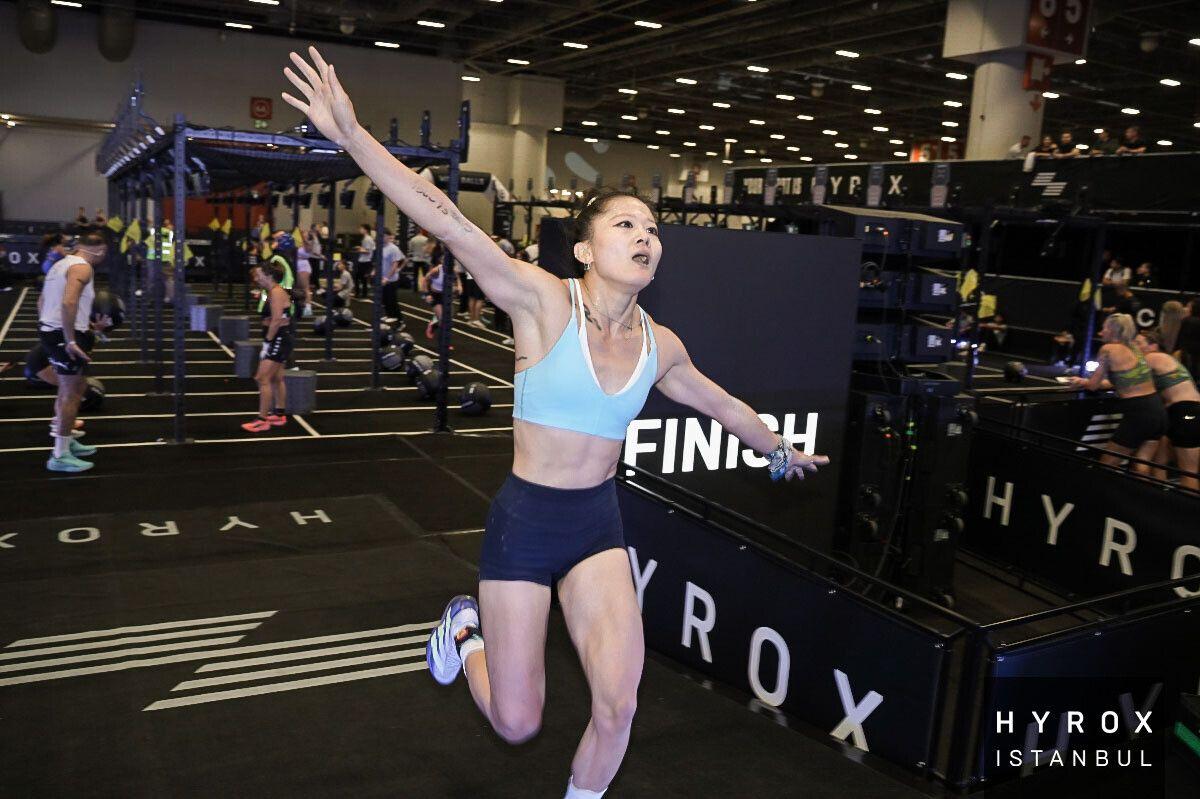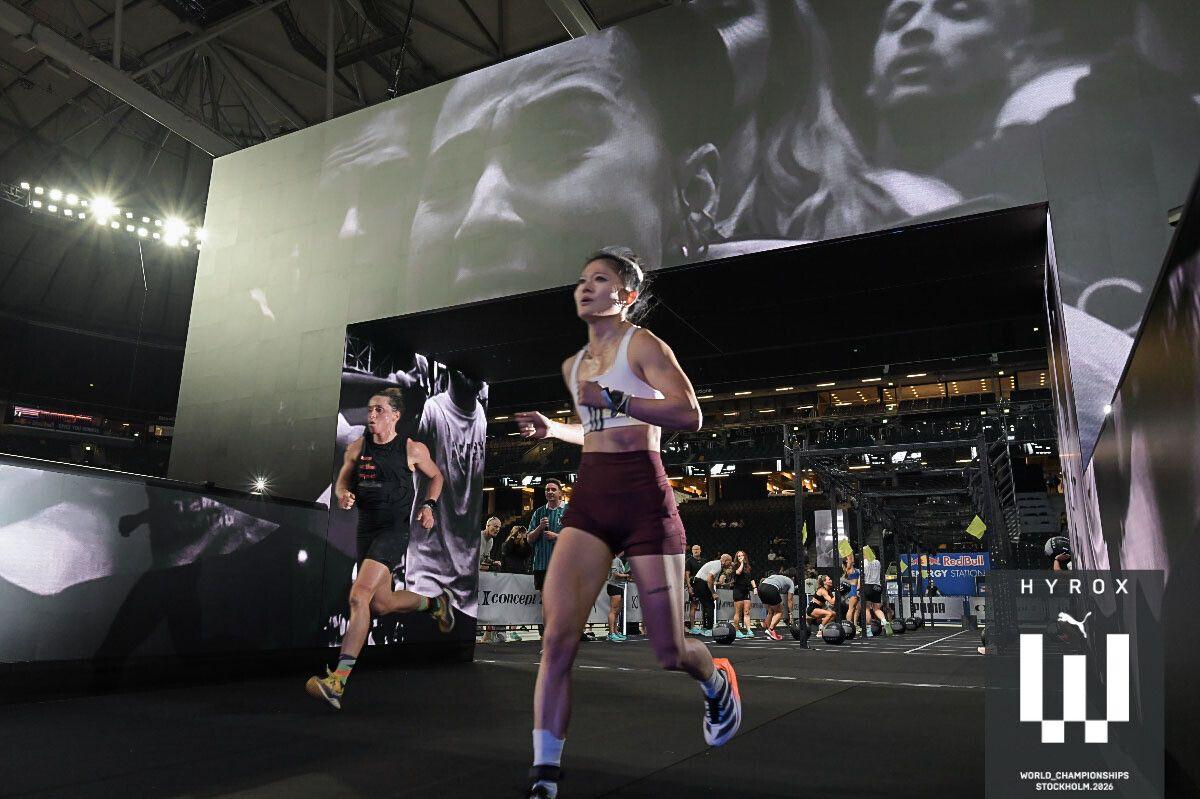
Hi everyone! I'm Pauline Yu (PYY), Taiwan's only 4× Hyrox World Championship qualifier. I still remember the first time I crossed a Hyrox finish line — I was completely wrecked, legs shaking, lungs burning, and absolutely zero idea what to do next. I grabbed a banana, sat on the floor of the venue for what felt like an hour, and then made every recovery mistake in the book over the next two days. I drove home stiff, skipped my fluids, thought a big dinner would fix everything, and wondered why I could barely walk on Monday. It took me several races and a lot of trial and error to build a Hyrox post race recovery protocol that actually works for my body as a women's elite Hyrox athlete competing out of Taiwan. What I'm sharing with you today is that hard-won system — the real stuff, not the generic advice you'll find anywhere.
Key Takeaways
- ▸Start your recovery the moment you cross the finish line — getting protein and simple carbohydrates into your body within 30 minutes post-race dramatically accelerates muscle repair and glycogen replenishment, so don't wait until you feel hungry.
- ▸Prioritise sleep above everything else in the first 48 hours — this is when your body releases the highest levels of growth hormone, and for women competing in elite Hyrox, cutting sleep short by even one or two hours can extend soreness by an extra day.
- ▸Gentle movement on the day after your race — think a slow 20-minute walk or easy stretching — is far more effective than complete bed rest for clearing lactate and reducing next-day stiffness.
- ▸Cold water immersion or contrast showers in the first 24 hours can reduce acute inflammation and swelling, especially in your legs after the 1,000-metre ski erg, sled push, and running segments.
- ▸Avoid heavy training, long runs, and high-intensity sessions for at least 72 hours after a Hyrox race — your immune system is genuinely suppressed post-event, and jumping back too fast is the number one mistake I see women athletes in Asia make.
The First Two Hours: What Happens to Your Body and Why It Matters
Here's something I didn't fully appreciate in my first couple of Hyrox races: the finish line is not the end of the physiological event — it's the beginning of a new one. The moment you stop, your body is in a profound state of metabolic stress. Your glycogen stores are essentially emptied across eight stations and roughly eight kilometres of running. Your muscles have sustained micro-damage from the sled drags, the ski erg, the wall balls — every single station leaves a mark at the cellular level. Your core temperature is elevated, your cortisol is still spiking, and your hydration is almost certainly in deficit. I used to make the mistake of just wandering around the finish area feeling amazing from the adrenaline, forgetting that what I did in those first two hours would determine how I felt on Monday morning. The window right after you finish is genuinely one of the most important recovery windows you have.
As a Taiwan-based athlete who has raced Hyrox across Asia and at the World Championships, I've had to think hard about what's practical immediately post-race when you're in a loud venue, surrounded by people, and still processing the emotions of finishing. My rule now is simple: before I do anything else — before I find my friends, before I take photos, before I even sit down — I eat and drink something. I always pack my own recovery snack in my bag at bag check because venue food is unpredictable. For women competing in after Hyrox race conditions, the female hormonal environment also plays a role in how quickly we recover, so getting nutrients in fast isn't optional for me — it's non-negotiable.
- ▸Drink at least 500ml of water or an electrolyte drink within 15 minutes of finishing — you've likely lost significant sodium and potassium through sweat, and plain water alone won't fully restore your fluid balance as quickly as an electrolyte solution will.
- ▸Eat 20–30 grams of fast-absorbing protein combined with simple carbohydrates within 30 minutes — I personally use a rice ball and a protein drink that I pre-pack, because in Taiwan we have convenient access to convenience store onigiri which is actually a near-perfect post-race snack.
- ▸Keep moving gently in that first 30 minutes rather than collapsing — walk slowly around the venue, do some light ankle circles and hip swings to help your cardiovascular system gradually return to resting state and prevent blood from pooling in your legs.
- ▸Change out of wet or damp kit as soon as possible to prevent your body temperature from dropping too rapidly — I always pack a dry set of clothes and a light jacket in my bag, especially when racing in air-conditioned indoor venues like those common across Asia.
Hours 2–24: The Recovery Protocol That Changed Everything For Me
I want to be honest with you — the recovery advice I ignored most stubbornly in my early career was about what to do in the hours after the initial post-race window. I thought I was tough. I thought that because I'd trained hard, my body could handle jumping straight back into normal life. After one of my early qualifying races here in Taiwan, I went out to dinner with friends that same evening, stayed up late celebrating, and skipped every single recovery tool I now consider essential. By the next morning I could barely descend stairs — my quads and hamstrings from the sled push and lunges had seized up overnight — and it took me nearly a full week to feel normal again. That experience was genuinely what made me take Hyrox post race recovery seriously as a discipline in its own right, not an afterthought.
What I now do between hours 2 and 24 is structured but not complicated. The central idea is reducing acute inflammation strategically while giving your body the raw materials it needs to repair. For women's elite Hyrox athletes, I think the inflammation management piece is particularly important because the intensity of a Hyrox race — especially if you're racing in the Pro Women or Women's Open division and genuinely pushing hard — creates a significant inflammatory response that, if left unmanaged, compounds into days of unnecessary soreness. The good news is that the tools available to us in Taiwan and across Asia are actually excellent — cold plunge facilities, quality food, magnesium-rich mineral water, and access to sports massage therapists who understand endurance and functional fitness athletes.
- ▸Take a cold shower or do a 10–15 minute cold water immersion (10–15 degrees Celsius) within 2–4 hours of finishing — this is one of the most effective tools I use for reducing leg swelling and acute muscle soreness after the high-volume lower body work in Hyrox stations.
- ▸Eat a full, balanced recovery meal within 2–3 hours of finishing that contains high-quality protein, complex carbohydrates, and healthy fats — in practice this means something like grilled salmon with sweet potato and vegetables, which is easy to find anywhere in Taiwan.
- ▸Book a gentle sports massage for the evening of race day or the following morning — focus on the lower body and back, and communicate clearly with your therapist that this is a recovery massage, not a deep-tissue session, because aggressive massage too soon post-race can actually increase soreness.
Hours 24–48: Active Recovery, Sleep, and Knowing When to Do Nothing
By the time you hit the 24-hour mark after your Hyrox race, the acute phase of recovery is transitioning into what sports scientists call the repair and remodelling phase. This is where the real rebuilding happens — and honestly, this is also the window where I see the most mistakes made by women athletes in the Hyrox community across Asia. There's this pressure, especially in the age of social media, to show that you're back in the gym the very next day, grinding again. I've felt that pressure myself. But I've learned — through genuinely painful experience and through coaching conversations with athletes I admire — that the 24 to 48 hour window is about deliberate, intentional active recovery, not proving anything to anyone. Your immune system is genuinely at a low point. Your nervous system is fatigued. Pushing hard in this window doesn't make you tougher; it makes your next training block worse.
What active recovery actually looks like for me in this window is much gentler than most people expect. A 20–30 minute easy walk — genuinely easy, like you're strolling through a park on a Sunday morning. Maybe 15 minutes of gentle yoga or mobility work focused on the hips, thoracic spine, and hamstrings, which are the areas most taxed by Hyrox. Foam rolling at very light pressure on the quads and calves. And sleep — I cannot overstate how important sleep is in this window. My personal target is 9 hours minimum for the two nights following a race. I track my HRV (heart rate variability) using my sports watch, and I've noticed consistently that my HRV rebounds far faster when I protect my sleep in these 48 hours than when I sacrifice it for social commitments. This is the recovery protocol athlete Taiwan perspective that I wish someone had told me years ago.
- ▸Do a 20–30 minute low-intensity walk at a conversational pace on the day after your race — this promotes blood flow to damaged muscle tissue, accelerates clearance of metabolic waste products, and genuinely reduces next-day stiffness more effectively than lying still on the sofa all day.
- ▸Prioritise at least 8–9 hours of sleep for both nights following your race, keeping your room cool and dark — growth hormone secretion, which drives muscle repair, peaks during deep sleep, so protecting your sleep quality is one of the highest-return investments you can make in your recovery.
- ▸Continue eating above your normal maintenance calories for the full 48 hours post-race, with an emphasis on protein at every meal — your muscles are still in repair mode throughout this window, and under-eating after a race is a mistake I made repeatedly in my earlier seasons that always led to prolonged fatigue.
What the Research Says
I'm not just speaking from personal experience here — the science backs up the approach I've built over four World Championship cycles. Research published in the British Journal of Sports Medicine has consistently shown that post-exercise nutrition timing meaningfully impacts recovery outcomes, particularly the combination of protein and carbohydrates in the immediate post-exercise window. This aligns perfectly with what I experience personally: when I nail my post-race nutrition in that first 30–60 minutes, my soreness on day two is noticeably lower than when I delay it. The Journal of Strength and Conditioning Research has also produced a strong body of work showing that active recovery — light movement rather than complete rest — consistently outperforms passive rest for clearing blood lactate and reducing delayed-onset muscle soreness (DOMS) in the 24–48 hour window following high-intensity events. As someone who has done everything wrong and then slowly figured out what actually works through lived experience racing Hyrox in Taiwan and at the World Championships, it's genuinely validating to see the research confirm what my body had already been telling me. The science isn't complicated — your body needs fuel, sleep, light movement, and time. The hard part is actually respecting those needs instead of trying to shortcut them.
Frequently Asked Questions
Q: Can I do a light workout the day after my Hyrox race? A: Yes, but the key word is genuinely light — and I mean lighter than you think. A slow walk, some gentle mobility work, or easy swimming are all fine and actually beneficial. What you absolutely should not do is anything that elevates your heart rate significantly, involves heavy loading, or mimics Hyrox training. I made this mistake after one of my earlier races in Taiwan, went in for what I thought would be a 'light session,' started feeling good, pushed harder, and then felt destroyed for the rest of the week. Your perceived exertion is not a reliable guide in the 24-hour window post-race because adrenaline and motivation are still masking fatigue. Trust the protocol, not your feelings on that day.
Q: Should women follow a different recovery protocol than men after Hyrox? A: In my experience — both personal and from conversations with coaches and other women's elite Hyrox athletes across Asia — yes, there are some meaningful differences worth acknowledging. Women's hormonal cycles can significantly influence recovery speed and muscle soreness, so where you are in your cycle at the time of your race genuinely matters. I've personally noticed that races completed in the luteal phase of my cycle tend to require an extra day of gentler recovery compared to races in the follicular phase. The practical takeaway is that women should give themselves permission to extend the recovery window by an extra 24 hours without guilt, especially if your race fell in the latter half of your cycle. This isn't weakness — it's smart, evidence-informed training.
Q: How do I know when I'm actually ready to return to full training after a Hyrox race? A: This is such a good question and one I took too long to ask myself. My personal benchmarks are: resting heart rate has returned to within 5 beats of my normal baseline, HRV has recovered to my typical range, I can climb stairs without quad soreness, my motivation to train has genuinely returned (not just guilt pushing me), and I've had at least two good nights of sleep. For most athletes, this is somewhere between 4–7 days after a Hyrox race, depending on how hard you raced and your training history. If you're in Taiwan or Asia with access to a sports physiologist or knowledgeable coach, getting an objective external assessment is worth every penny. Don't just guess — measure.
Recovery isn't sexy, and I know that. But I promise you — every hour you invest in your Hyrox post race recovery in that first 48-hour window pays back double in your next training block. That's the lesson four World Championship qualifications have drilled into me. If this article helped you, I'd love to stay connected — come subscribe at paulineyuyu.com for more training content, race insights, and honest advice from a woman who has made every mistake so you don't have to.
Sources: British Journal of Sports Medicine / Journal of Strength and Conditioning Research
Taiwan's elite HYROX Pro athlete and 4× World Championship qualifier. I share my training journey, race insights, and performance notes from the competition floor.