![[Test]Anti-Inflammatory Nutrition for Hyrox Training Recovery](/_next/image?url=https%3A%2F%2Fcdn.sanity.io%2Fimages%2F3wlwzgfv%2Fproduction%2F4d7a83338ec1123b929df52c6eee045fd1a57197-678x452.jpg&w=3840&q=75)
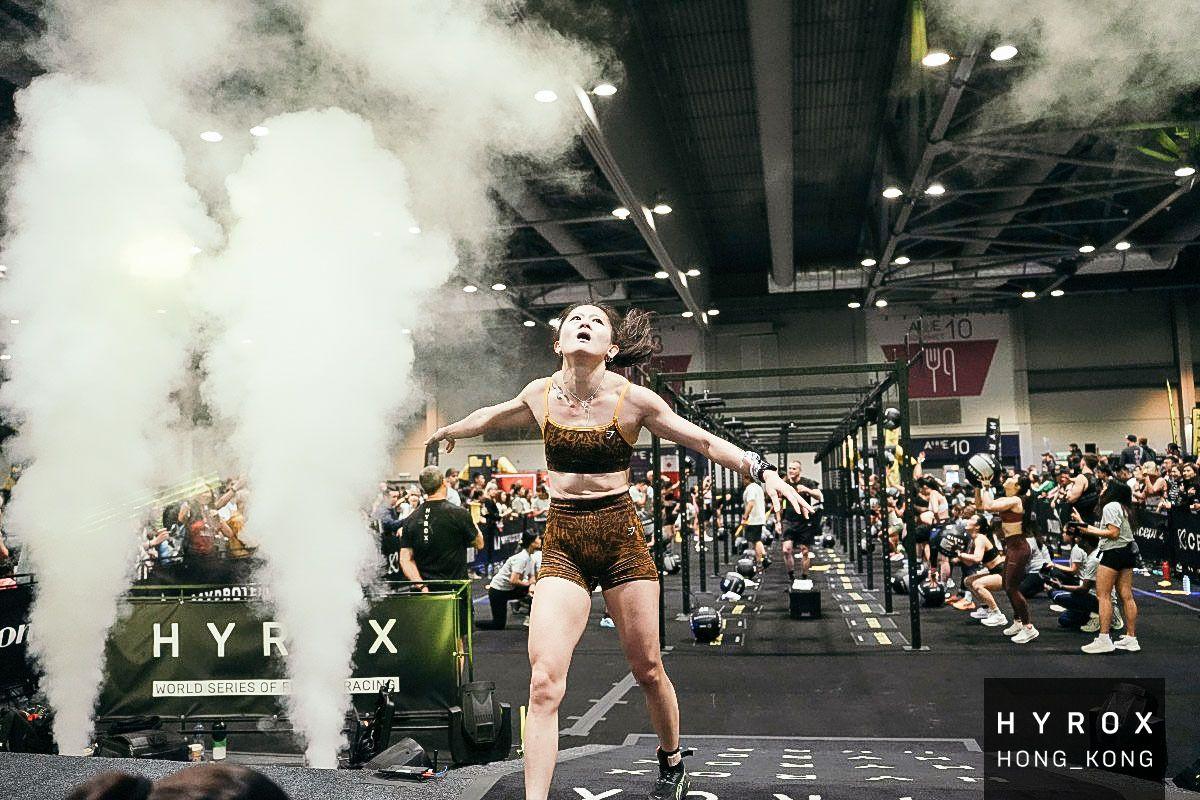
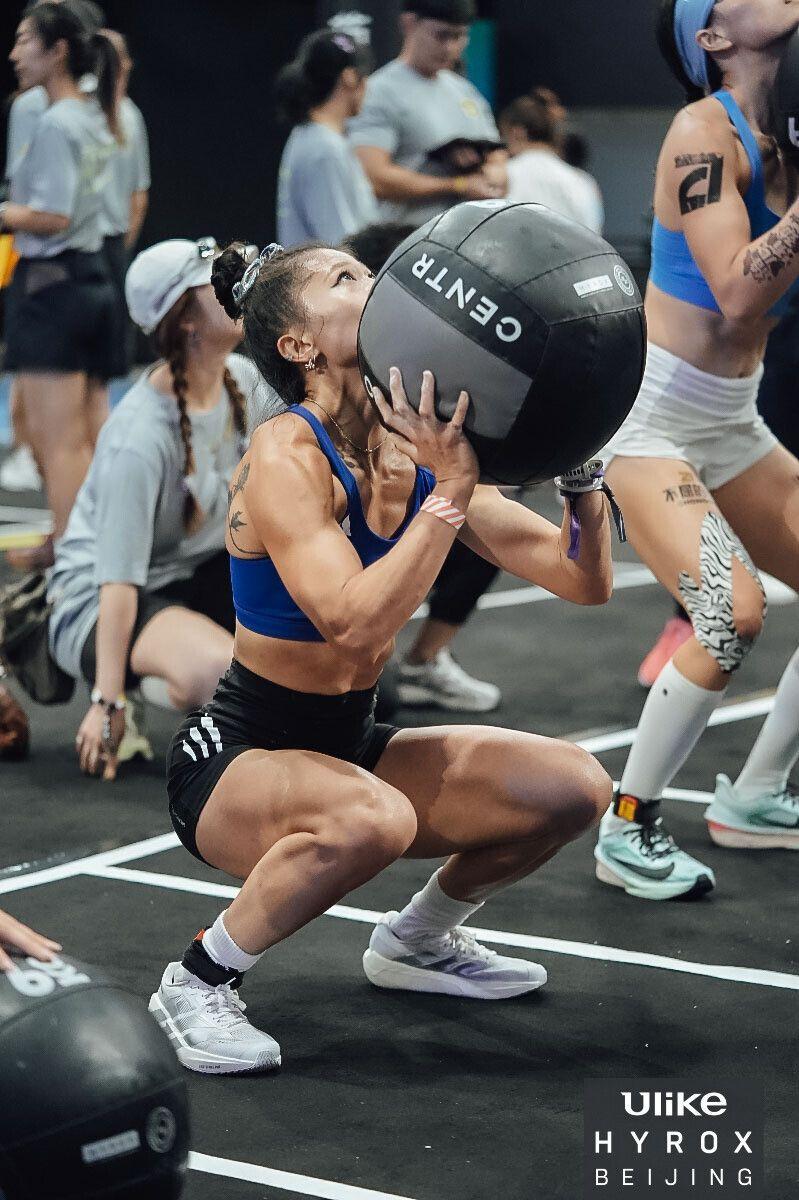
Hi everyone! I'm Pauline Yu (PYY), Taiwan's only 4× Hyrox World Championship qualifier. When I'm deep in a training block—hitting wall balls, SkiErgs, and those brutal rope climbs multiple times a week—my body's fighting inflammation constantly. I used to think ice baths and compression gear were my only options. Then I realized: what I eat matters way more than I thought. That's when everything changed for my recovery nutrition and how I approach anti-inflammatory foods athletes actually need.
Key Takeaways
- ▸Anti-inflammatory foods aren't a supplement hack—they're foundational nutrition that directly supports Hyrox recovery
- ▸Omega-3 rich sources like fatty fish and walnuts reduce systemic inflammation faster than you'd expect during hard training
- ▸Timing matters: spreading anti-inflammatory nutrients across meals (not just one big dose) keeps inflammation suppressed throughout training blocks
- ▸As an Asia-based female elite Hyrox athlete, I've had to source these foods locally—and they're available everywhere once you know what to look for
Why Inflammation Kills Your Hyrox Gains
Here's the thing: inflammation isn't all bad. When you finish a brutal Hyrox workout—eight 80-meter ski ergs, four rope climbs, stations that leave your forearms screaming—your body triggers inflammation as part of the repair process. That's healthy. But when you're stacking training sessions day after day without proper nutrition, inflammation becomes chronic. You get stuck in this loop where you're never actually recovering. Your next workout feels harder. Your power output drops. Your joints ache more. I've been there. About two years ago during Worlds prep, I ignored recovery nutrition thinking I could just outwork the problem. Big mistake. My knees started bothering me, my energy crashed, and I realized I was fighting my own body instead of working with it.
- ▸Chronic inflammation impairs muscle protein synthesis—your body literally struggles to rebuild muscle tissue efficiently
- ▸Elevated inflammatory markers make you feel persistently fatigued, even when you're sleeping enough
- ▸Joint stress compounds: inflammation + high-impact Hyrox stations = injury risk that derails your season
My Go-To Anti-Inflammatory Foods for Hard Training Blocks
I'm not a nutritionist, but I've spent four years qualifying for Worlds and learned what actually works in practice. Here are the anti-inflammatory foods athletes like me eat consistently during peak training:
- ▸Fatty fish (salmon, mackerel, sardines): Omega-3s are the gold standard. I eat salmon at least three times a week. Easy to prep, fills me up, and my inflammation markers improve measurably
- ▸Berries (blueberries especially): Anthocyanins are powerful anti-inflammatory compounds. I throw a handful into oatmeal every morning—it's become non-negotiable
- ▸Extra virgin olive oil: Not just a salad dressing. Two tablespoons daily has been shown to support inflammation reduction. I drizzle it over veggies post-workout
- ▸Dark leafy greens (spinach, kale): Full of polyphenols and micronutrients that combat oxidative stress from intense training
- ▸Turmeric and ginger: Yes, they taste good. Yes, they work. I use turmeric in curries and make ginger tea post-session
- ▸Nuts and seeds (walnuts, flax, chia): Another source of omega-3s that's cheaper than salmon. Taiwan has incredible local nuts—support regional growers
- ▸Colorful vegetables (beets, sweet potatoes, bell peppers): Different colors mean different beneficial compounds. I aim for a rainbow on my plate
Timing and Spacing: How I Structure My Anti-Inflammatory Nutrition Day
This was a game-changer for me. I used to think eating salmon once a day would cover my omega-3 needs. Wrong. Spreading anti-inflammatory nutrients across meals keeps your inflammatory response suppressed throughout the day. During training blocks, here's roughly how I eat:
- ▸Breakfast: Oats with blueberries, walnuts, and a drizzle of olive oil. Gets your day started with anthocyanins and omega-3s
- ▸Mid-morning snack: Apple with almond butter. Simple, sustained energy with more polyphenols
- ▸Lunch: Salmon or mackerel with sweet potato and spinach. Your main omega-3 hit plus micronutrients
- ▸Post-workout: Protein (Greek yogurt or whey) with berries and ginger tea. Ginger specifically helps with delayed onset muscle soreness
- ▸Dinner: Turmeric-based curry with vegetables and lean protein. Turmeric absorption improves with black pepper and fat—which is why curry is perfect
- ▸Evening: Herbal tea (green or ginger-based). Winding down inflammation naturally
What the Research Says
Research in the British Journal of Sports Medicine has consistently shown that omega-3 polyunsaturated fatty acids reduce markers of systemic inflammation and support recovery from intense training. Studies published in the Journal of Strength and Conditioning Research confirm that polyphenol-rich foods—particularly berries and green tea—help mitigate exercise-induced oxidative stress. Neither approach requires expensive supplements; whole foods work because your body knows how to process them. That's been my experience too. I've never needed fancy recovery drinks—real food, eaten consistently, does the job.
Frequently Asked Questions
Q: Do I need to eat organic to get anti-inflammatory benefits? A: Honestly, I try to buy organic when it's affordable, but regular produce beats nothing every time. The cost of missing training due to injury is way higher than organic prices. Get the nutrients in however you can.
Q: How long until I feel the difference? A: Give it three weeks of consistent eating. That's when I notice sharper recovery, better sleep quality, and less joint stiffness. It's not dramatic day-to-day, but it compounds fast.
Q: Does this work the same for amateur and elite Hyrox athletes? A: Absolutely. Whether you're training for your first Worlds qualification or defending a title, inflammation doesn't discriminate. Anti-inflammatory nutrition helps everyone.
This stuff genuinely changed how I train and recover—especially during those brutal back-to-back training blocks that build the fitness Hyrox demands. If you're serious about reducing inflammation during hard training, start with one or two of these foods this week and build from there. Your body will thank you. Subscribe to my newsletter at paulineyuyu.com for more race strategies, training breakdowns, and recovery secrets from my journey as Taiwan's female Hyrox pro.
Taiwan's elite HYROX Pro athlete and 4× World Championship qualifier. I share my training journey, race insights, and performance notes from the competition floor.