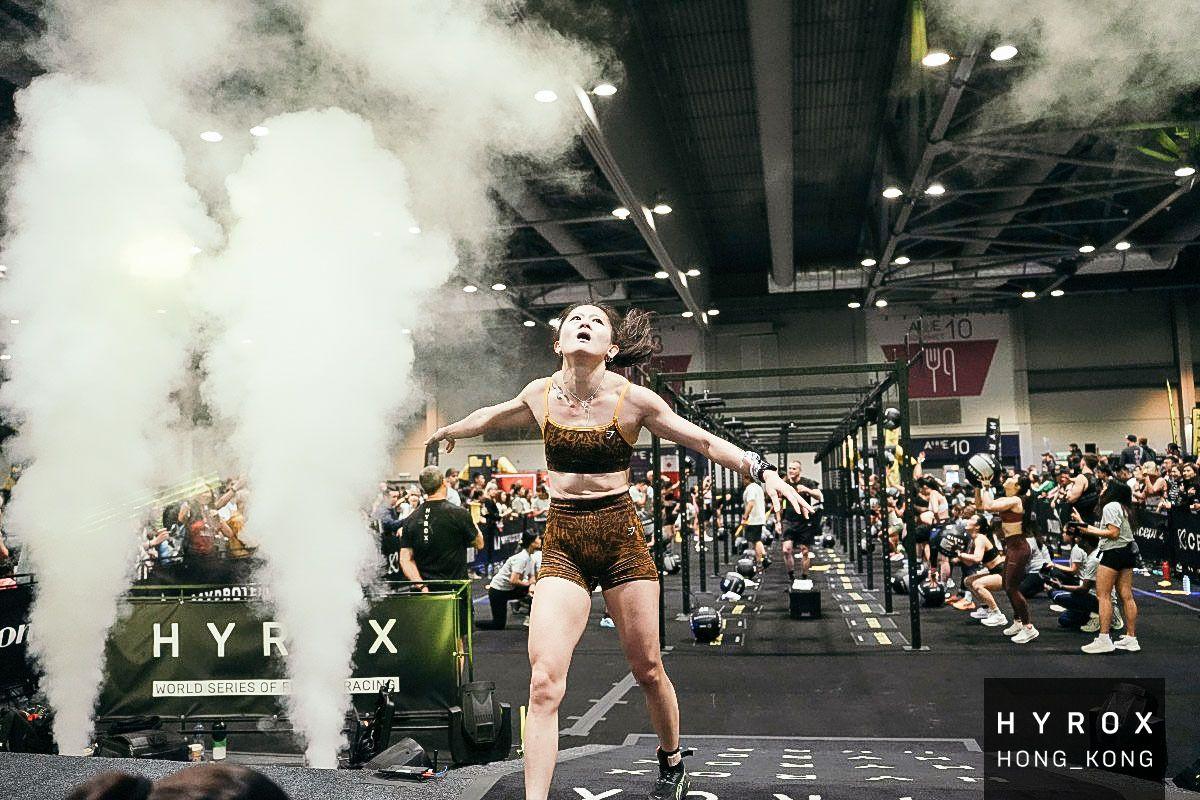
When the race calendar closes and the finish line tape comes down, many athletes make a critical mistake: they stop training with intention. The off-season isn't a break from Hyrox—it's your secret weapon. As a 4× Hyrox World Championship qualifier and Taiwan's leading women's elite athlete, I've spent years perfecting the art of off-season training. The difference between athletes who plateau and those who breakthrough comes down to one thing: what they do when nobody's watching, when there are no races on the calendar. This comprehensive guide will show you exactly how to build the aerobic base, muscular resilience, and mental toughness that separates Hyrox champions from the rest.
Why Off-Season Training Matters in Hyrox
Hyrox is unique in the fitness world. It demands simultaneous excellence across eight workout stations and 8 kilometers of running. There's no way to build this fitness in the weeks before a race. World-class Hyrox performance is constructed over months of deliberate, progressive training. The off-season—typically the 8 to 12 weeks following your last race—is when the real magic happens. During this period, your body isn't fatigued from race preparation or the race itself. Your nervous system is fresh. Your joints are healthy. This window is precious. In Asia, where Hyrox is still relatively new, many athletes underestimate the importance of structured base building. From my perspective as someone who has qualified for worlds four consecutive times, I can tell you: champions don't win races on race day. They win races during the off-season. The foundation you build now will directly determine your speed, power, and mental resilience when it matters most.
The Three Pillars of Hyrox Off-Season Base Building
Effective Hyrox off-season training rests on three foundational pillars: aerobic capacity, muscular endurance, and movement quality. These work together synergistically. Your aerobic base is your engine. Without it, no amount of station-specific work will make you competitive. Muscular endurance—the ability to repeat powerful efforts while fatigued—directly translates to strong station performance even when your legs are burning at kilometer 6. Movement quality ensures you stay healthy throughout the season and move efficiently through each workout station. As a woman competing at the elite level in Hyrox, I've learned that ignoring any of these three pillars creates weaknesses that will be exposed under race pressure. Many athletes, particularly women in Taiwan and across Asia, focus too heavily on either running or strength while neglecting the integration of both. The off-season is your opportunity to address this imbalance and build a complete Hyrox athlete.
Building Your Aerobic Base: The Foundation
Your aerobic base is the foundation upon which everything else is built. During the off-season, dedicate 70 percent of your running volume to easy, conversational-pace running. This isn't exciting. It's not Instagram-worthy. But it's non-negotiable for Hyrox success. I typically run 4 to 5 times per week during off-season phases. Two or three of these sessions are easy runs between 45 and 90 minutes. One session is a tempo run or threshold workout lasting 20 to 40 minutes at a harder effort. One session is a long run that gradually builds from 60 minutes to 120 minutes over the 12-week block. This structure allows your aerobic system to adapt without creating excessive fatigue. For women's elite Hyrox athletes, the goal isn't to sprint—it's to build the capacity to maintain hard efforts for the entire race distance. As someone who has competed in Hyrox World Championships, I can confirm that the athletes who excel are those with exceptional aerobic engines, not necessarily the fastest sprinters. In Taiwan and throughout Asia, runners often come from road running backgrounds. This is an advantage. Channel that base. Use the off-season to extend your aerobic capacity beyond what road racing demands, then add Hyrox-specific power work on top of that foundation.
Strength and Power Development During Off-Season
While you're building your aerobic base, you must simultaneously develop muscular strength and power. During off-season Hyrox training, I recommend 3 to 4 strength sessions per week. These sessions should not interfere with your running—they should complement it. Prioritize compound movements: squats, deadlifts, pull-ups, push-ups, and farmer carries. These movements build the type of strength that translates directly to Hyrox stations like the sled push and sled pull. Include explosive movements like box jumps, medicine ball throws, and sprints once per week to maintain power output. Many women's elite athletes are afraid of heavy strength training. This is a limiting belief. Progressive strength training doesn't make you bulky—it makes you faster, more resilient, and more durable. From my experience coaching women across Asia, I've found that female athletes often see the biggest performance jumps when they commit to serious strength development. The off-season is your moment to build strength without the interference of race-specific running workouts. Once your competition season begins, you'll integrate this strength with specific Hyrox training, but the base needs to be built now.
Station-Specific Technique Work and Movement Quality
The third pillar of off-season Hyrox training is movement quality and station familiarity. While base building and strength development should dominate your training, don't neglect technique. Once per week, spend 45 to 60 minutes working on Hyrox station movements. Practice sled mechanics, wall ball throws, rowing technique, and tube runs. This isn't race-pace effort—it's deliberate practice. Poor technique under fatigue is a common reason athletes underperform in Hyrox. The off-season is when you establish efficient movement patterns so that when you're exhausted in the later stages of a race, your body defaults to good technique. As a 4× World Championship qualifier, I've spent hundreds of hours refining my approach to each station. This skill development compounds over seasons. Taiwan's Hyrox community is growing, and more athletes have access to equipment and coaching. Use this. Invest in stations during the off-season. Film your movements. Identify weaknesses. This technical foundation will accelerate your progress when you transition into race-specific training.
Structuring Your 12-Week Off-Season Block
Here's how I structure a typical 12-week Hyrox off-season training block. Weeks 1-4 focus on recovery and rebuild. Running volume increases gradually. Strength training establishes baseline movement patterns. Weeks 5-8 are your main build phase. Running intensity increases. Strength movements become heavier and more explosive. Weeks 9-12 begin the transition toward competition. You maintain or slightly reduce volume while maintaining intensity. You introduce race-pace simulations and more station-specific work. This periodized approach prevents overtraining while continuously building fitness. The progression is gradual—typically 10 percent increases in weekly volume every other week. This conservative approach is especially important for women's elite athletes in Asia, where there's often less access to sports medicine and recovery resources compared to other regions. Patience during the off-season pays dividends when races begin.
Recovery and Nutrition During Off-Season
Off-season training is more intense than many athletes realize. Your nutrition and recovery need to match your training stress. Prioritize sleep—8 to 10 hours per night. Sleep is when your body adapts to training. Eat adequate protein—1.6 to 2.2 grams per kilogram of body weight daily. This supports muscle recovery from strength training. Include carbohydrates to fuel your running workouts and replenish muscle glycogen. Don't restrict calories during the off-season. You're building fitness. You need fuel. As an elite female athlete competing at the highest level of Hyrox, I treat nutrition as a performance tool, not an aesthetic concern. Many women in Taiwan and Asia are conditioned to restrict calories. Unlearn this. During off-season training, eat to perform. Your body composition will be fine. Your performance will be exceptional.
Frequently Asked Questions
Q: How long should my off-season last? A: I recommend 8 to 12 weeks after your last Hyrox race. This gives your body adequate time to recover and your fitness systems adequate time to adapt. If you're planning multiple Hyrox races in a season, you might have shorter 4 to 6 week build blocks between races instead of a full off-season.
Q: Should I stop running altogether during off-season? A: No. Stopping completely creates a fitness cliff. Maintain running but reduce intensity and race-specific work. Your focus is building aerobic base, not maintaining race fitness.
Q: Can women build enough strength during off-season to impact race performance? A: Absolutely. This is where I see the biggest performance gains in female athletes I work with. Women often underestimate how much strength impacts running economy and power output at the stations.
Q: What if I don't have access to a Hyrox gym in Taiwan or Asia? A: Most Hyrox stations can be replicated with basic equipment. Sled work can substitute for hill sprints. Box jumps develop power. Focus on general strength and power development. You can practice actual stations during the pre-competition phase.
Q: How do I stay motivated training without races on the calendar? A: Set training metrics—speed benchmarks, strength records, aerobic capacity improvements. Track progress. Training blocks without races demand intrinsic motivation. As a Hyrox athlete, your motivation should come from the athlete you're becoming, not the race result.
Off-season Hyrox training is where champions are built. It's unsexy, unglamorous, and invisible to most people. But every World Championship qualification I've earned as Taiwan's leading women's elite Hyrox athlete has been decided during off-season training blocks. Your base building now determines your ceiling later. Commit to the process. Execute the periodized training. Fuel your body appropriately. The race calendar will come again, and when it does, you'll have the fitness to dominate. Ready to start your off-season journey? Visit paulineyuyu.com to download my complete off-season training template and stay updated on Asia's Hyrox community calendar.
Taiwan's elite HYROX Pro athlete and 4× World Championship qualifier. I share my training journey, race insights, and performance notes from the competition floor.