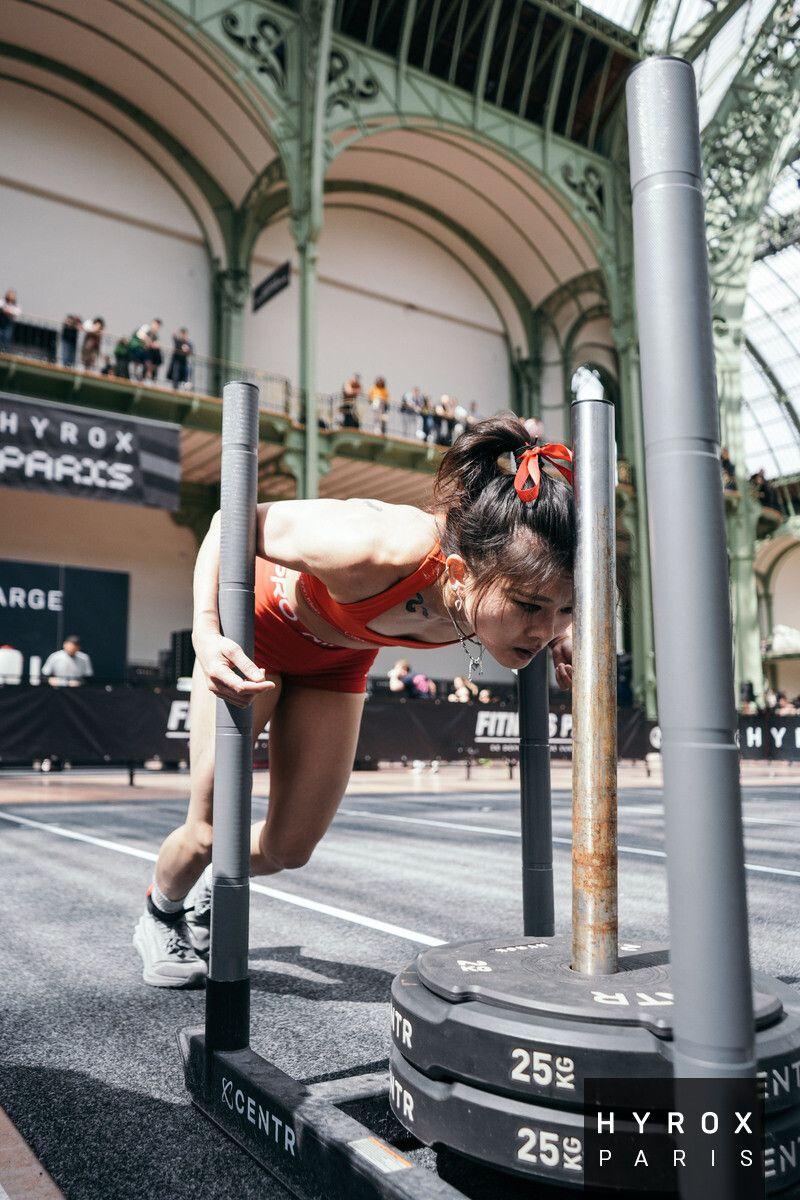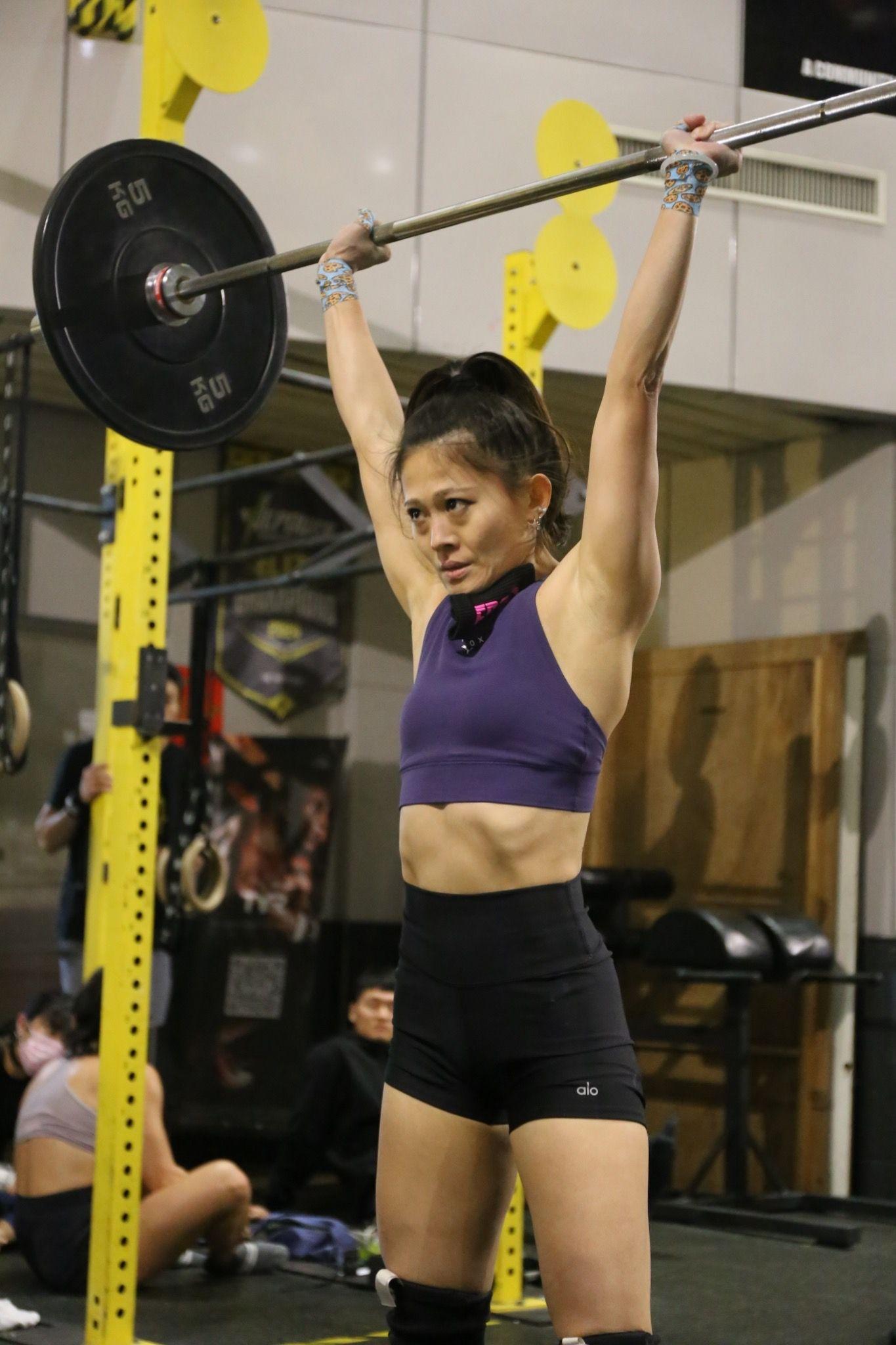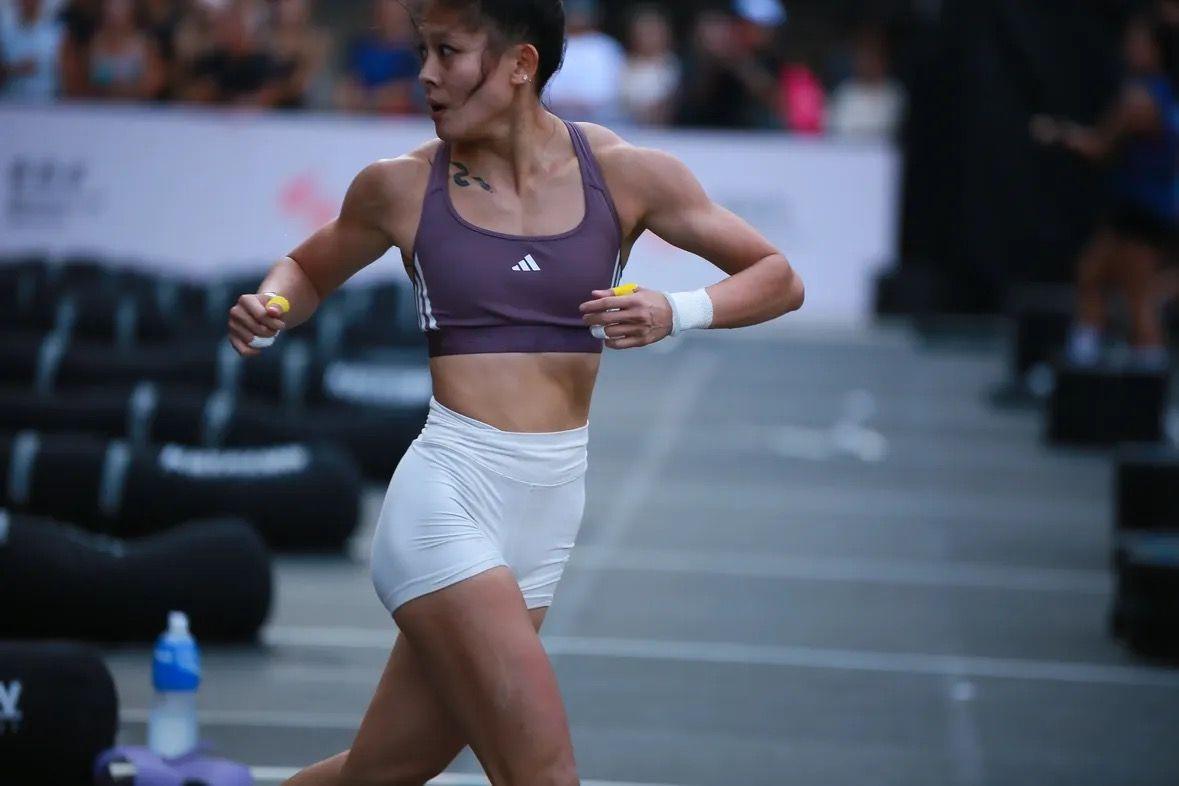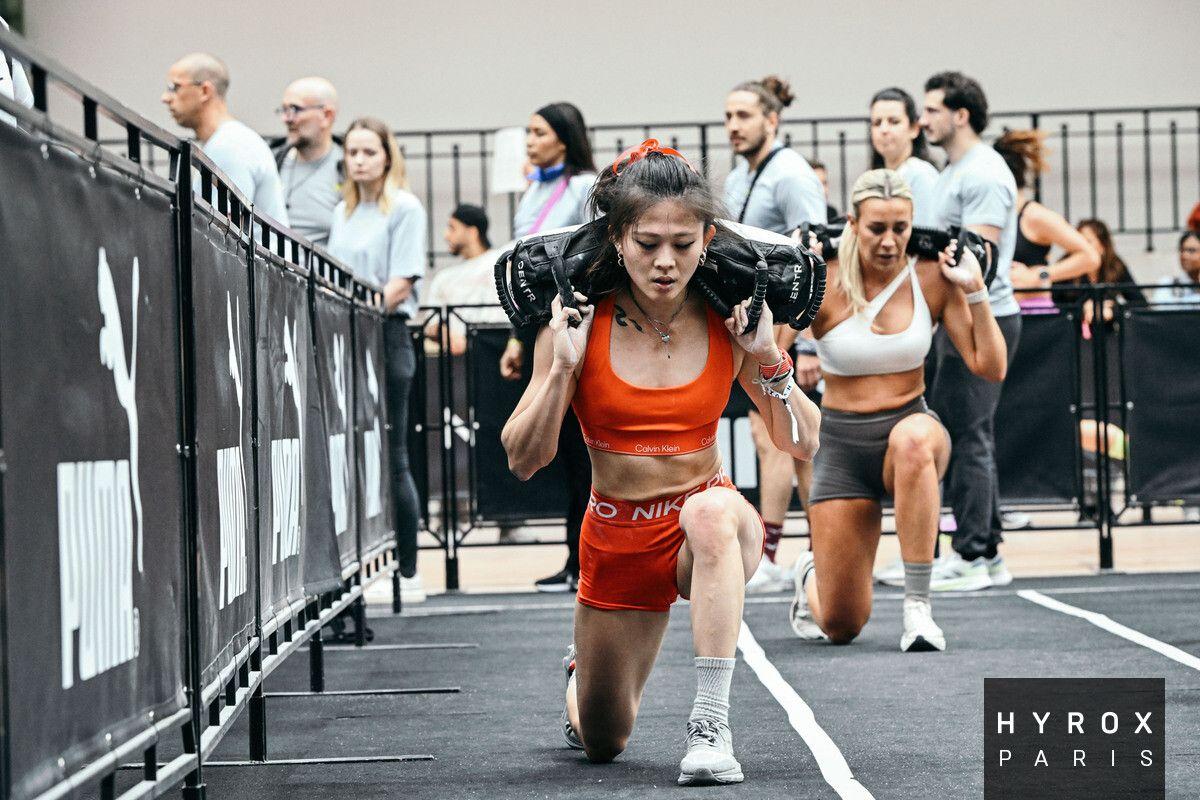
Hi everyone! I'm Pauline Yu (PYY), Taiwan's only 4× Hyrox World Championship qualifier. I still remember the first time I walked into a gym in Paris to train for Hyrox — I was the only woman doing sled pushes, and I could feel every pair of eyes in the room wondering what on earth I was doing. It was isolating in a way I hadn't expected. I'd done endurance sports before, I'd done CrossFit, but something about being a female strength athlete in a space that wasn't designed for you hits differently. The turning point came when I connected with a small group of women who were just as obsessed with the sport as I was — suddenly, training stopped feeling lonely and started feeling electric. That shift in energy literally changed my performance, and it's why I believe so deeply that building a women's Hyrox community is not just a nice-to-have — it's a genuine performance tool.
Key Takeaways
- ▸A strong women's Hyrox community doesn't just provide motivation — it creates accountability, shared knowledge, and a competitive environment that pushes every member to perform at a higher level than they would training alone.
- ▸You don't need a large group to start a Hyrox training group — even two or three committed female strength athletes training together consistently can generate the culture and momentum that attracts more members over time.
- ▸Social media, particularly Instagram and local Facebook fitness groups, is one of the most effective ways to find other women in Taiwan and across Asia who are already training for Hyrox but haven't yet found their people.
- ▸Setting shared goals — like targeting the same Hyrox race together or aiming for a specific finish time as a group — is a powerful way to keep a training community cohesive and motivated through the difficult mid-cycle training blocks.
- ▸As a female athlete in a strength sport in Taiwan, you may need to be the one who starts the conversation — and that is not a burden, it is an opportunity to lead and shape a community that reflects your values around performance, inclusion, and fun.
Why I Almost Quit Training Alone — And What Changed Everything
About two years into my Hyrox journey, I hit a wall that had nothing to do with physical capacity. My VO2max was improving, my sled push weight was going up, and my wall ball reps were getting cleaner — but I was miserable. I was training alone five, sometimes six days a week, in a gym where the community was friendly but nobody else was doing Hyrox-specific work. I had no one to compare my farmer's carry pace against, no one to laugh with when the ski erg felt impossible, and no one to call when I needed to talk through a training block that wasn't clicking. I felt like I was building a puzzle with half the pieces missing. Looking back, I can see that isolation was quietly eroding my motivation in ways I didn't fully recognise at the time.
The moment things changed was almost accidental. I posted a training video on Instagram — just a casual clip of a sled push session in Paris — and tagged it with Hyrox-related hashtags. Within 48 hours, three other women reached out. One was in Taipei, one was in Hongkong, and one was in Manchester. None of us had ever trained together, but we started a group chat and began sharing training plans, race prep tips, and honest conversations about how hard it is to be a woman in a sport where the equipment weights, the competitive culture, and even the coaching language are often designed around male athletes. That group chat became the seed of something much bigger. If you're reading this and you're training alone right now, I want you to know: your community is already out there. You just need to take the first step to find them.
- ▸Post a training video or race recap on Instagram with Hyrox-specific hashtags and tag your location — the algorithm will surface your content to other local athletes who are looking for exactly what you are offering.
- ▸Don't wait until you're 'good enough' to reach out to other female athletes — the women in my first training group ranged from absolute beginners to people who had already completed one or two Hyrox races, and that range made our sessions richer, not weaker.
- ▸Join the official Hyrox Facebook community groups and search specifically for women's threads or Asia-based athletes — these spaces are genuinely active and many lasting training partnerships have started with a single comment on a post.
- ▸Attend a local Hyrox race even if you're not competing yet — stand at the finish line, cheer for people you don't know, and introduce yourself afterwards, because race day energy is the single fastest way to bond with strangers who share your passion.
How to Actually Structure a Women's Hyrox Training Group That Sticks
Finding people is only step one. I've seen plenty of enthusiastic Hyrox training groups form after a race and dissolve within six weeks because nobody thought about structure. And I say this from personal experience — I've been part of groups that fizzled out, and I've been part of groups that grew into something genuinely powerful, and the difference came down to intentional design, not just shared enthusiasm. The female strength athlete community in Taiwan is growing fast, and if you want to build something that lasts, you need to think about it the way you think about a training programme: with clear goals, a progression model, and regular check-ins to assess whether it's working. That might sound overly formal for what is essentially a group of friends training together, but I promise you that a little structure is what separates the groups that are still meeting twelve months later from the ones that became a dead WhatsApp thread.
One of the best structural decisions my core training group made was to designate one session per week as a 'non-negotiable' group session — everyone shows up, no matter what, unless they're injured or sick. We rotate who chooses the workout focus, which keeps it feeling fresh and also develops leadership skills in members who might not naturally take the lead. We also built in a monthly debrief over food or coffee where we talk honestly about what's working in our training, what's frustrating us, and what races we're targeting next. That social ritual has been as important to our cohesion as any of the actual training sessions. The women's elite Hyrox scene across Asia is still young enough that we're all figuring things out together, and that shared uncertainty, processed openly, is a bonding force unlike anything else.
- ▸Establish one fixed weekly group session that everyone commits to in advance — consistency of meeting time matters more than the perfect workout design, because it builds the habit of showing up for each other even when motivation is low.
- ▸Rotate workout leadership so that every member of your Hyrox training group has the opportunity to plan and lead a session — this builds ownership, develops coaching instincts, and ensures no single person carries all the organisational load.
- ▸Build in a monthly social touchpoint that is not a workout — coffee, a meal, or even a virtual call for your remote members gives your community a space to process emotions, celebrate wins, and troubleshoot challenges in a low-pressure environment.
Navigating the Unique Challenges of Being a Woman in a Strength Sport in Taiwan
Let me be honest about something that doesn't always make it into fitness content: being a female strength athlete in Taiwan — and more broadly in Asia — comes with specific cultural friction that you need to be prepared for. I have been told, with genuine kindness and zero malice, that lifting heavy will make me look 'too big,' that running and strength together will 'age my face,' and that maybe I should try something more 'suitable.' I've had gym staff at perfectly nice facilities hover nervously when I started loading a barbell, clearly uncertain what to do with a woman who wanted to use the equipment differently. These experiences are not unique to me. Almost every woman I've trained with in Taiwan has a version of this story. Acknowledging this friction is not about complaining — it's about helping you recognise that if you've felt it too, you are not alone, and your community-building work matters precisely because it pushes back against that narrative.
The good news — and I say this as someone who has watched the women's Hyrox community in Taiwan grow from a handful of people to a genuinely vibrant scene over the past few years — is that visibility is the most powerful antidote to that friction. When other women see you doing sled pushes and wall balls and ski erg intervals and finishing strong, something shifts. The conversations change. The questions become curious rather than sceptical. I've had women approach me after watching me train in public spaces in Taipei, wanting to know more, wanting to try it themselves. That ripple effect is real, and it starts with you being willing to train unapologetically in shared spaces, to talk openly about your sport, and to invite others into the conversation. Your personal training experience as a visible female strength athlete in your community is literally a form of community building, whether you intend it that way or not.
- ▸Train in public spaces in your city — parks, outdoor gyms, or open gym floors — and be willing to answer curious questions from bystanders, because visibility in shared spaces is one of the fastest ways to attract new members to your women's Hyrox community.
- ▸When you encounter cultural pushback about women and strength training, respond with your race results and your personal training data rather than arguing philosophy — nothing changes a conversation faster than a woman showing her finish time at a major Hyrox event.
- ▸Connect with gyms and coaches in Taiwan and across Asia who explicitly support female strength athletes — these spaces exist and are multiplying, and training in an environment where you are celebrated rather than tolerated makes a measurable difference to your long-term consistency and enjoyment.
What the Research Says
The science backs up what I've experienced firsthand as a female athlete building a training community. Research published in the British Journal of Sports Medicine has consistently shown that social support is one of the strongest predictors of long-term exercise adherence — particularly for women, who tend to be more responsive to relational motivation than purely competitive or performance-based cues. In practical terms, this means that having training partners who know your goals, celebrate your progress, and show up consistently beside you is not just emotionally satisfying — it is a physiologically and psychologically meaningful intervention that makes it more likely you will still be training hard in five years. The Journal of Strength and Conditioning Research has also produced robust findings around the role of group training environments in improving output on high-intensity efforts — athletes tend to push harder, recover more willingly, and tolerate greater discomfort when they are training alongside others who share their level of commitment. I felt this viscerally the first time I did a Hyrox simulation workout with my training group in Taipei — my sled push splits were measurably faster than anything I'd done alone, and I didn't even notice the pain the same way. That's the community effect in action, and it is as real as any supplement or programme adjustment you'll ever make to your training.
Frequently Asked Questions
Q: I'm a complete beginner at Hyrox and I feel embarrassed to join a training group — should I wait until I'm fitter? A: Please don't wait. I can't say this strongly enough — every single person in every Hyrox training group I've ever been part of started as a beginner at something. Nobody was born knowing how to pace a ski erg or transition efficiently from a sled push to a burpee broad jump. The women in my early training groups who were the 'weakest' when they joined often became the most technically sharp over time because they were paying close attention from day one. A good training community welcomes beginners because beginners ask the questions that remind experienced athletes why they love the sport. Show up, be honest about where you are, and let the community do what communities are designed to do — meet you exactly where you are.
Q: I live in a smaller city in Taiwan or Asia where there isn't an obvious Hyrox community — how do I start one from scratch? A: This is genuinely one of my favourite questions because starting from scratch is exactly what I did. Begin with one person — literally just one other woman who is curious about the sport, even if she's never done a Hyrox race. Train together for four weeks. Document your sessions and post them publicly. Use local fitness hashtags alongside Hyrox-specific ones. Reach out to your local gym management and ask if you can host a free introductory Hyrox workout session on a weekend morning. In my experience in Taiwan, you will be surprised how quickly that one-person group becomes five, and then ten, once there is visible proof that the community exists and is welcoming. The hardest step is the first session. After that, momentum does a lot of the work for you.
Q: How do I keep a training group motivated when people are at very different levels of fitness and experience? A: This is the real challenge of community building, and honestly, I think the mixed-level dynamic is an asset if you frame it correctly. In my training group, we structure workouts so that everyone is doing the same movement patterns but scaling the load or distance to their current level — a newer athlete might push a lighter sled while a more experienced athlete pushes competition weight, but we start together, we finish together, and we cheer for each other regardless of the number on the sled. The key is explicitly celebrating effort and improvement rather than only celebrating absolute performance. When your fastest athlete and your newest member both get recognised for what they achieved in a given session, nobody feels like a burden and nobody feels unchallenged. That culture of effort over outcome is something you have to build consciously, but once it's established, it practically runs itself.
Building your people is one of the best investments you will ever make in your athletic life — I say that as someone who has competed at the Hyrox World Championships and still counts the training partners who pushed me in Taipei as one of the biggest reasons I got there. If this resonated with you, I'd love to stay connected. Head over to paulineyuyu.com and subscribe for more honest, experience-based training content designed specifically for women who are serious about Hyrox and strength sport. See you there — and see you on the race floor.
Sources: British Journal of Sports Medicine / Journal of Strength and Conditioning Research
Taiwan's elite HYROX Pro athlete and 4× World Championship qualifier. I share my training journey, race insights, and performance notes from the competition floor.