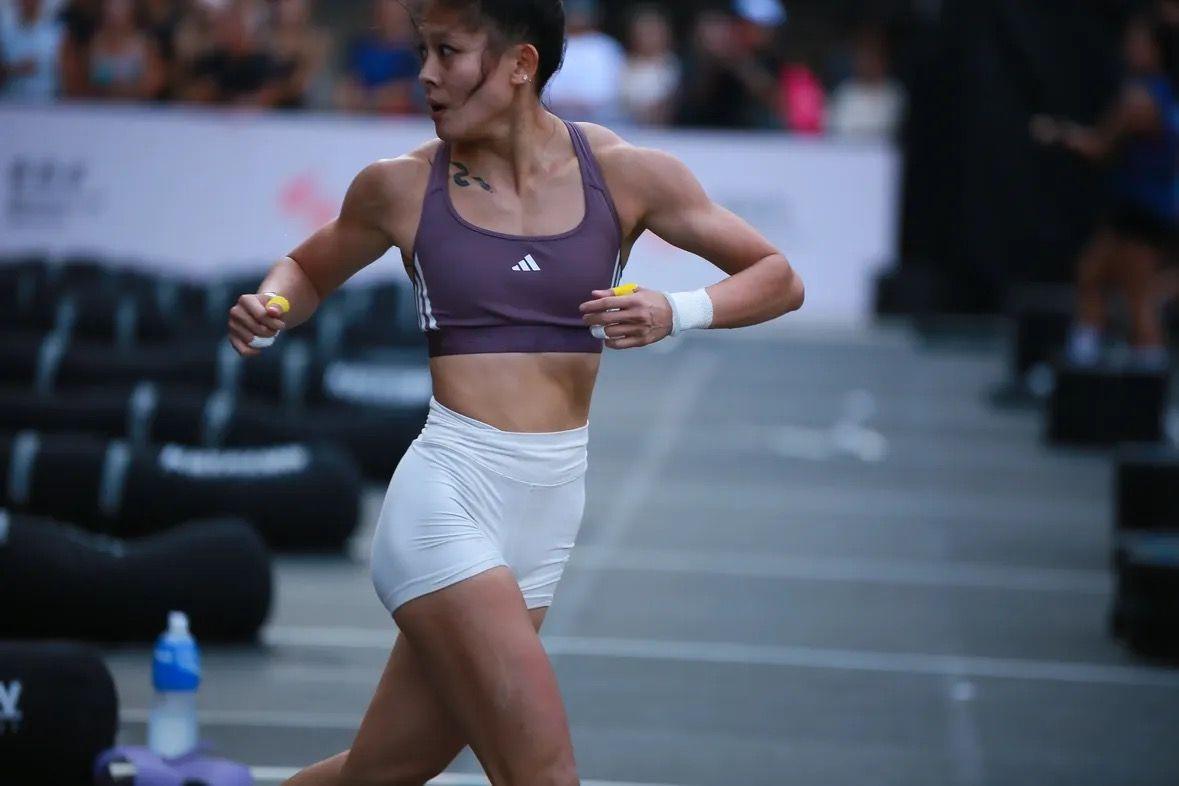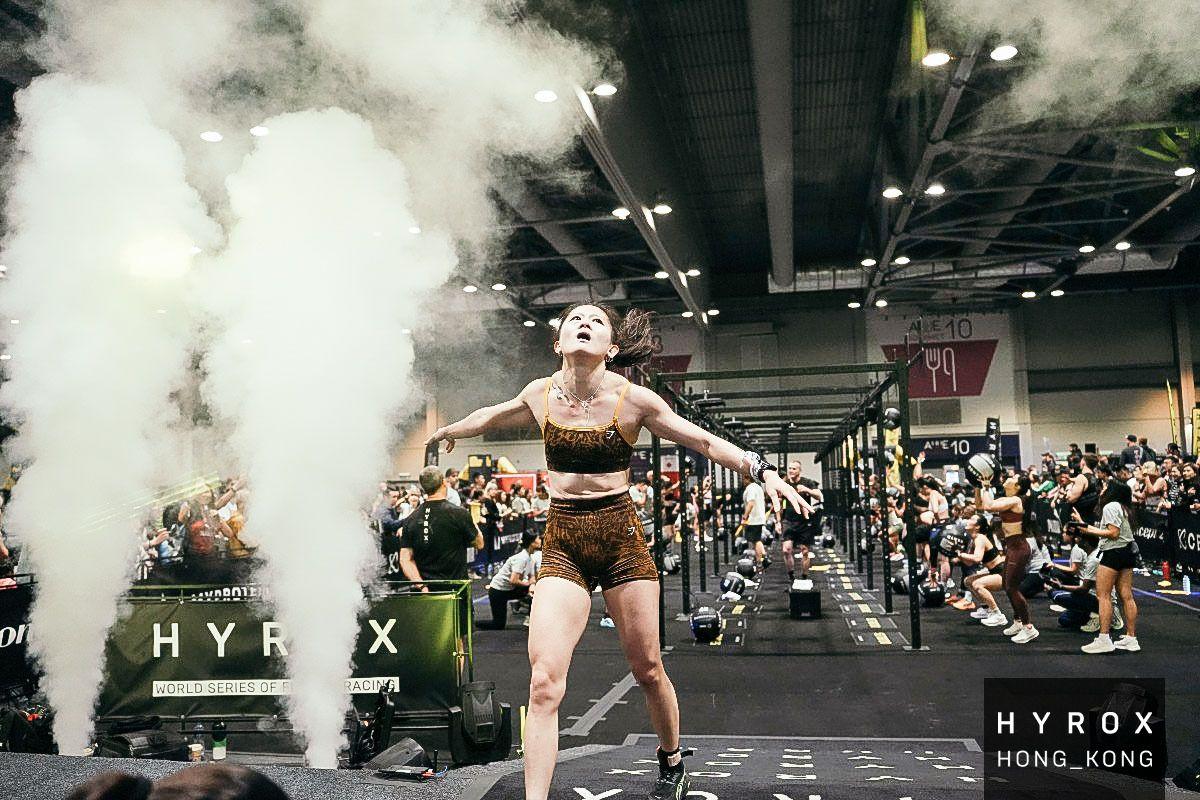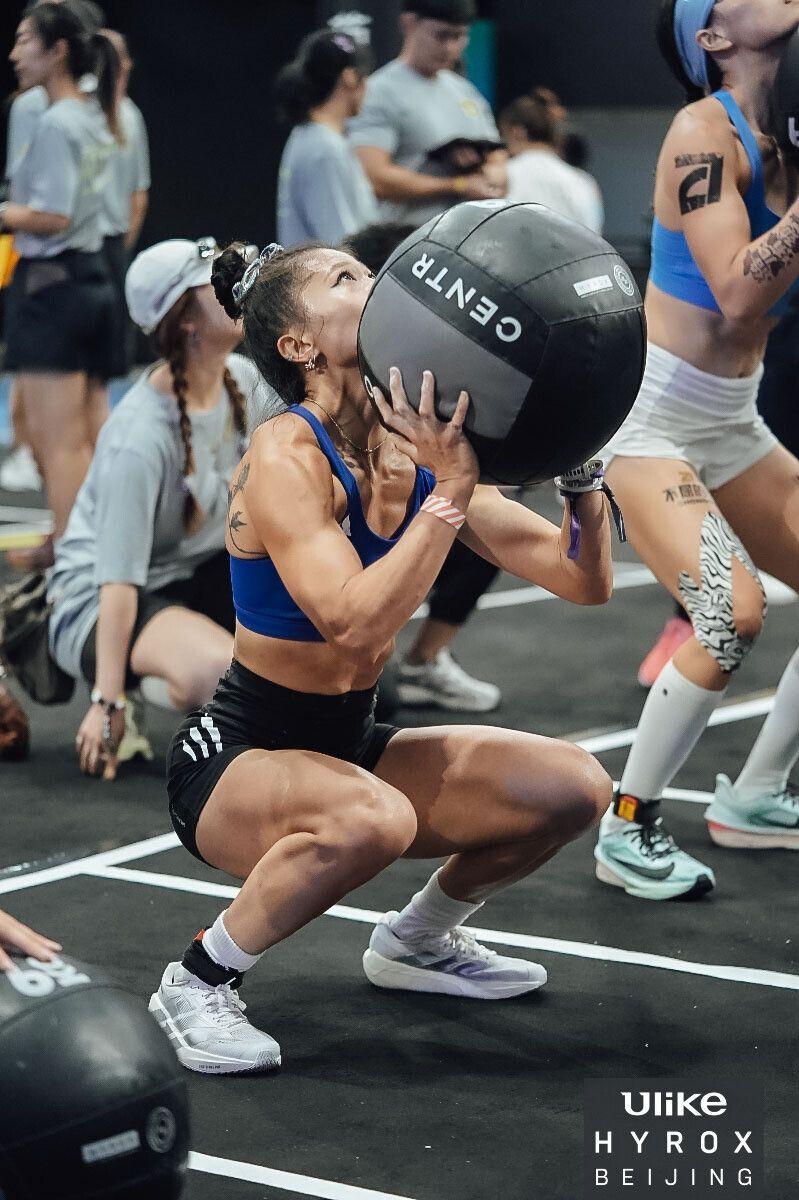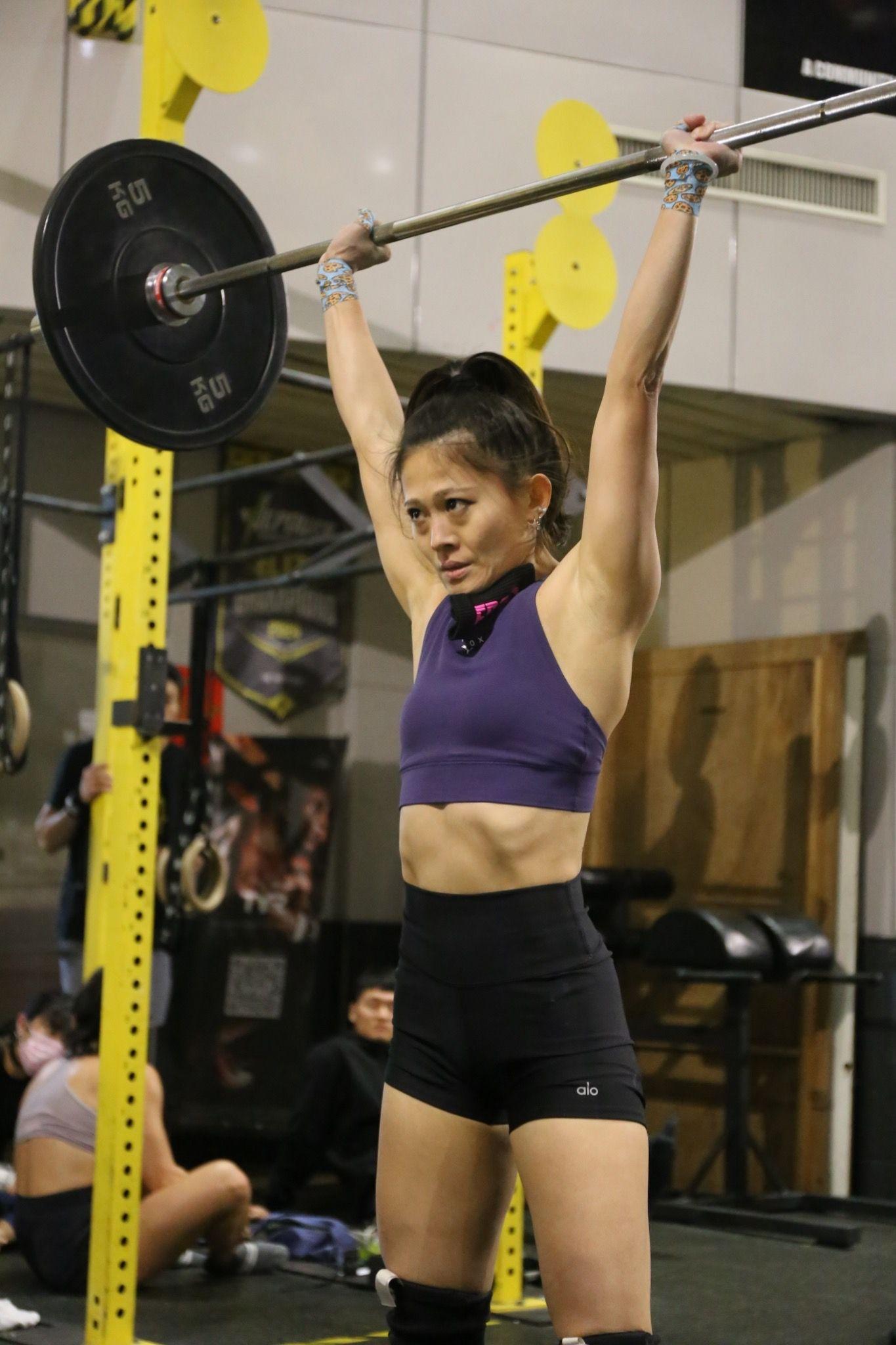
Hi everyone! I'm Pauline Yu (PYY), Taiwan's only 4× Hyrox World Championship qualifier. I still remember standing in a CrossFit box in Paris for the very first time, absolutely overwhelmed by the whiteboard, the barbells, and the people who looked like they'd been doing this for decades. I had no idea what a snatch was, I could barely do a ring row, and I definitely didn't know what 'Fran' meant — but I was desperate to get fitter, stronger, and more capable. What nobody told me back then was that doing more, training more days, and pushing harder every session wasn't the path to progress — it was the path to burnout and injury. The 3-day beginner CrossFit program structure I'm going to share with you today is the foundation I wish someone had handed me on day one, and it's the same framework I now use when guiding new athletes in Paris, Taiwan and across Asia.
Key Takeaways
- ▸A beginner CrossFit program built on 3 days per week is enough to produce significant strength and conditioning gains while allowing your body and nervous system adequate time to recover and adapt between sessions.
- ▸Each training day in your start CrossFit women schedule should have a clear purpose — one day focused on strength, one on gymnastics and skill, and one on longer conditioning — so you build all three energy systems without overlapping stress.
- ▸Technique always comes before load: new athletes who rush to add weight before mastering movement patterns are far more likely to plateau early and pick up nagging injuries that cost weeks of training time.
- ▸CrossFit programming for beginners should include dedicated mobility and warm-up time built into every session, not treated as optional, because tight hips and poor ankle mobility will cap your squat and deadlift progress faster than anything else.
- ▸Adding a fourth or fifth training day too soon is one of the most common mistakes beginners make — stay disciplined with 3 days for at least 8 to 12 weeks before increasing volume, and your long-term results will be dramatically better.
Why I Almost Quit CrossFit in My First Month — and What Saved Me
When I first started CrossFit, I was already a decent runner and had some gym experience, but the combination of barbell movements, high-intensity intervals, and gymnastics skills hit me like a truck. I was training five or six days a week because I thought that's what serious athletes did. By week three, my shoulders were toast, my lower back was constantly tight, and I was dreading workouts instead of looking forward to them. I was following a program designed for intermediate or advanced athletes, and I had no business being anywhere near it. My coach at the time sat me down and said something I'll never forget: 'You can't build a skyscraper on a foundation of sand.' He pulled me back to three days a week, focused entirely on basic movement quality, and everything changed from that point forward.
The thing about CrossFit programming for beginners that most people miss is that three well-structured days are genuinely more productive than five poorly structured ones. Your body needs time to synthesize protein, repair muscle tissue, and allow your central nervous system to fully recover. When you're learning new skills like the clean, the kipping pull-up, or double-unders, your brain is also working overtime — motor pattern acquisition is cognitively demanding. Cramming too many sessions in too early doesn't just hurt your body; it prevents the neural adaptations that let those new movement patterns actually stick. This is especially true for women who are new to barbell work, because building the foundational strength to move well under load takes time and patience that no amount of extra volume can shortcut.
- ▸Commit to at least 48 hours of rest between your CrossFit training days — for example, Monday, Wednesday, and Friday — so your muscles and nervous system can fully recover before you ask them to perform again at a high level.
- ▸Keep a simple training log from your very first session, noting the weights you used, how movements felt, and your energy level, because this data will help you and your coach spot patterns and progress that would otherwise be invisible.
- ▸If you feel unusually fatigued or sore going into a scheduled session, it's smarter to reduce intensity rather than push through at full effort — one honest light session beats a hard session that risks injury and costs you two weeks of recovery.
- ▸Use your rest days actively but gently — a 20-minute walk, light yoga, or foam rolling promotes blood flow to recovering muscles without adding the training stress that would prevent full recovery before your next CrossFit session.
The Exact 3-Day Structure I Recommend for Beginner CrossFit Women
After years of training myself and working with women athletes across Taiwan and Asia, I've landed on a 3-day beginner CrossFit structure that works remarkably consistently. The key insight is that each day needs a distinct identity — not just 'CrossFit day 1, day 2, day 3' — but a clear training emphasis that ensures you're building strength, skill, and conditioning in a balanced and complementary way. Day one is your strength day: you focus on the major compound lifts, specifically the squat, deadlift, and overhead press, keeping intensity moderate and volume low enough that you can prioritize form above everything else. Day two is your gymnastics and skill day: bodyweight movements like push-ups, ring rows, box step-ups, and basic gymnastic progressions teach your body to move well without load, which carries over powerfully to barbell work. Day three is your conditioning day: longer, lower-intensity workouts that develop your aerobic base — the engine that powers everything else in CrossFit and, as I know from competing in women's elite Hyrox, in functional fitness racing too.
What makes this structure so effective for women who are new to CrossFit is the way it naturally manages fatigue while still hitting every physical quality you need to develop. A lot of beginner CrossFit programs throw everything at you every single day — you do heavy squats AND skill work AND a brutal metcon in the same hour — and while that can work for experienced athletes with high recovery capacity, it's genuinely counterproductive for beginners. When you're tired from a heavy squat session, your technique on skill movements falls apart. When your technique falls apart, you're not actually learning the movement — you're just practising bad habits under fatigue. The three-day split I'm describing separates these stressors, so each quality gets the focused attention it needs to actually develop. I used a version of this structure when I first started building my Hyrox-specific fitness base, and it was the most important decision I made in my early training career.
- ▸Day 1 (Strength Focus): Spend the first 20 minutes on a barbell strength movement — goblet squats, Romanian deadlifts, or strict press — using a weight that lets you complete every rep with perfect technique, then finish with a short 8 to 10 minute conditioning piece.
- ▸Day 2 (Skill and Gymnastics Focus): Dedicate the main portion of this session to practising one or two gymnastic progressions — such as banded pull-up negatives, push-up progressions, or box jumps — at low enough intensity that you can focus entirely on movement quality.
- ▸Day 3 (Conditioning Focus): Perform a longer mixed-modal workout lasting 18 to 25 minutes at a conversational pace — rowing, running, kettlebell swings, and air squats work perfectly — to build the aerobic base that supports all your other CrossFit work.
How to Protect Your Progress and Know When to Add More Volume
One of the biggest questions I get from women who are just starting their CrossFit journey — whether they're in Taipei, Singapore, or anywhere else across Asia — is: 'When can I add a fourth day?' And I get it, because when you're excited about progress, you want more. I felt exactly the same way. But the honest answer is: not as soon as you think. Adding volume too early is the number-one training mistake I see beginners make, and it's especially common among motivated, driven women who are used to working hard to get results. The 3-day beginner CrossFit program structure should be your home base for a minimum of 8 weeks, and I'd honestly recommend 12 weeks if you're brand new to barbell training. During those weeks, your job is to show up consistently, execute with quality, and let the adaptation happen. You should be increasing weights slightly each week — just 2.5 kilograms per session on major lifts is enough to make dramatic progress over three months.
The green lights that tell you it's time to consider adding a fourth training day are specific and measurable. First, you should feel completely recovered going into every session — no persistent soreness, no dread, no dragging yourself through workouts. Second, your technique on all major movements should feel automatic and stable even when you're fatigued — that means your squat mechanics hold up in the last round of a metcon, not just in your warm-up sets. Third, your sleep and nutrition should be genuinely dialled in, because adding training volume without supporting recovery infrastructure is like trying to build a house without a roof. As someone who competes in women's elite Hyrox, I can tell you that the athletes I see crash and burn — at every level, from beginner to elite — are almost always the ones who added volume before their foundation was solid. Don't make that mistake.
- ▸Track your readiness each morning using a simple 1-to-10 scale for energy, sleep quality, and muscle soreness — if two or more scores are below 6, treat that day as optional or reduce the planned intensity significantly.
- ▸Before adding any extra training days, spend two consecutive weeks hitting all three scheduled sessions without missing one — consistency and attendance are the real foundation of any beginner CrossFit program, and you can't build on top of inconsistency.
- ▸When you do add a fourth day after 8 to 12 weeks, make it a dedicated active recovery or light aerobic session — 30 to 40 minutes of easy rowing, cycling, or walking — rather than jumping straight into a fourth full CrossFit workout that spikes your total training load.
What the Research Says
The structure I'm describing isn't just based on personal experience — the science backs it up clearly. Research published in the Journal of Strength and Conditioning Research has consistently shown that training frequency of two to three sessions per week is sufficient to produce significant muscular strength and power gains in untrained and novice populations, and that additional sessions beyond three per week do not produce proportionally greater results in beginners — in fact, they often interfere with recovery and slow progress. Separately, research in the British Journal of Sports Medicine has established that the majority of overuse injuries in recreational athletes are directly linked to rapid spikes in training load — specifically, increasing total weekly volume by more than 10 percent from one week to the next. This is the scientific reason why keeping beginners at three structured sessions for the first two to three months is not being conservative — it's being smart. I experienced this first-hand when I was building my base in Taiwan: the months where I respected my recovery and kept volume controlled were the months where I made the most visible, measurable progress. The months where I pushed too hard too fast were the months where I ended up in my physio's office.
Frequently Asked Questions
Q: Is a 3-day beginner CrossFit program really enough to see results, or do I need to train more? A: Yes, absolutely — and I say this from direct personal experience, not just theory. When I first structured my training properly around three focused days per week, I made faster progress than I had in months of chaotic five-day training. The key word is 'structured.' Three days where every session has a clear purpose, appropriate intensity, and proper warm-up and cool-down will always outperform five or six days of random, scattered effort. Give yourself 8 weeks of honest, consistent 3-day training before you even think about adding more volume. You'll be surprised at how much your body can change in that time.
Q: As a woman starting CrossFit, should I be doing the same program as men? A: The movements and structure of a good beginner CrossFit program are fundamentally the same regardless of gender — squats, deadlifts, presses, pull-up progressions, and conditioning work are universally effective. The main difference you'll want to account for is starting load: use weights that genuinely challenge you within a specific rep range rather than defaulting to the lightest available option out of hesitation. Research and coaching experience consistently show that women are often far stronger than they think when they first walk into a CrossFit box. Start conservatively on day one, but be willing to increase your weights every single session as long as your technique holds. Your progress will surprise you.
Q: How do I fit a start CrossFit women schedule around a busy work life in Taiwan or Asia? A: This is something I navigate personally all the time, balancing training with travel, coaching, and competitions across Asia. The honest answer is that three days per week is specifically designed to be realistic for busy people. The most effective strategy I've found is to schedule your three sessions exactly like non-negotiable meetings at the start of each week — put them in your calendar first, then build everything else around them. Session length for a beginner CrossFit program should be 45 to 60 minutes, which is very achievable even on weekdays. If two weekday sessions and one weekend session work better for your life than Monday-Wednesday-Friday, that's completely fine. Consistency over perfection, always.
Training is a long game, and the 3-day structure I've shared with you today is the most reliable way I know to build a foundation that actually lasts — one that can eventually support Hyrox racing, heavier lifting, or whatever your next goal turns out to be. I'm rooting for every single one of you who's just getting started. If you want more programming guidance, training tips from my personal experience in women's elite Hyrox, and exclusive content I only share with my community, come subscribe at paulineyuyu.com — I'd love to have you there.
Sources: British Journal of Sports Medicine / Journal of Strength and Conditioning Research
Taiwan's elite HYROX Pro athlete and 4× World Championship qualifier. I share my training journey, race insights, and performance notes from the competition floor.