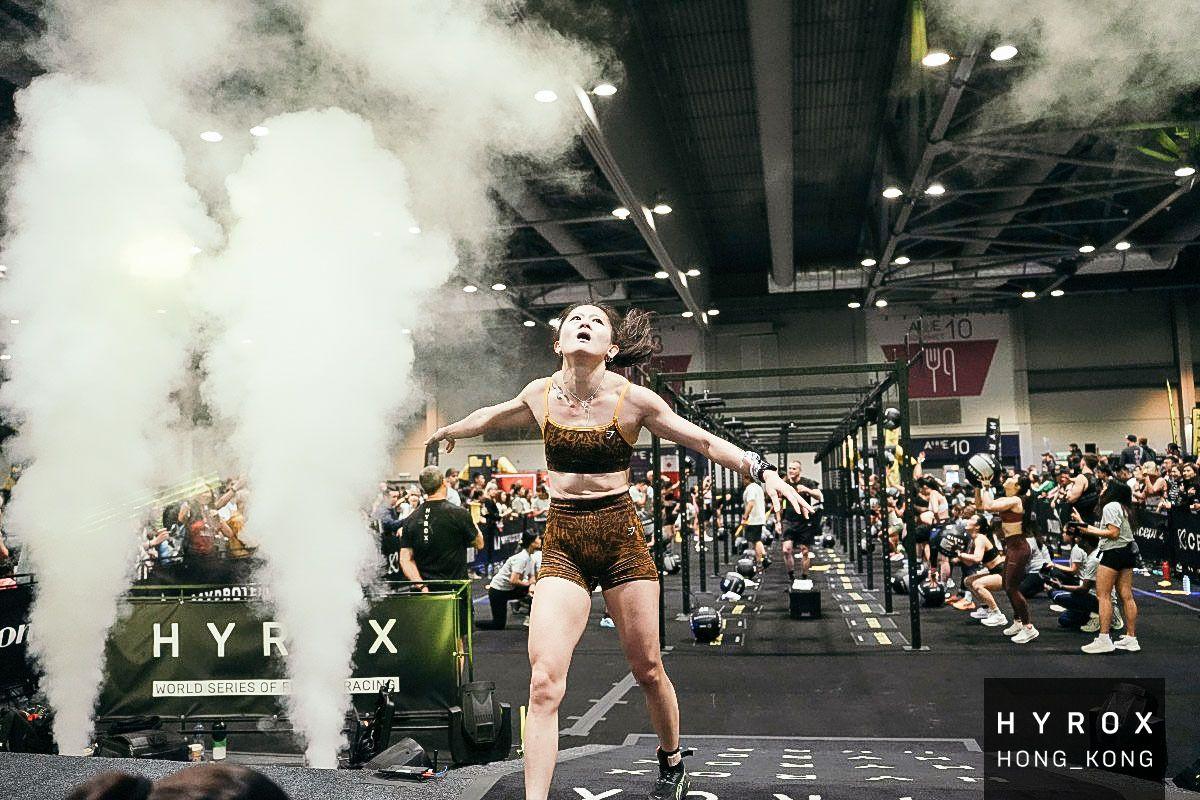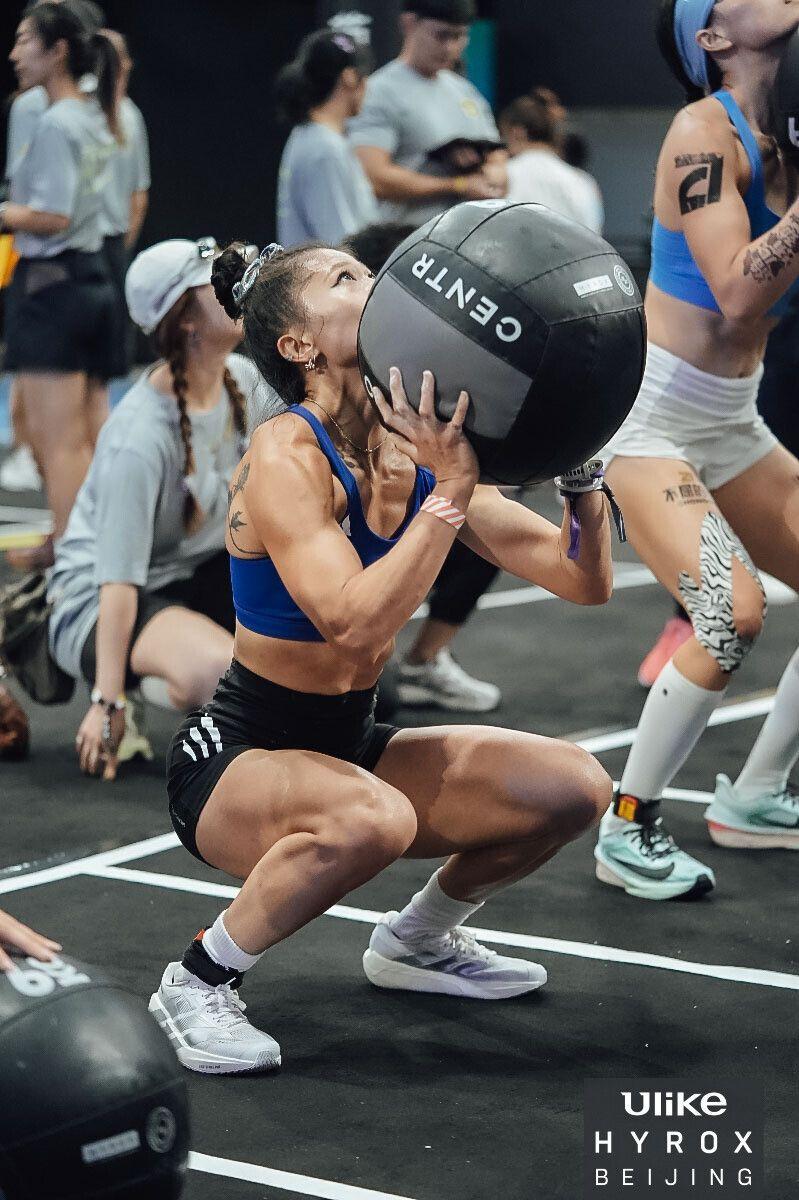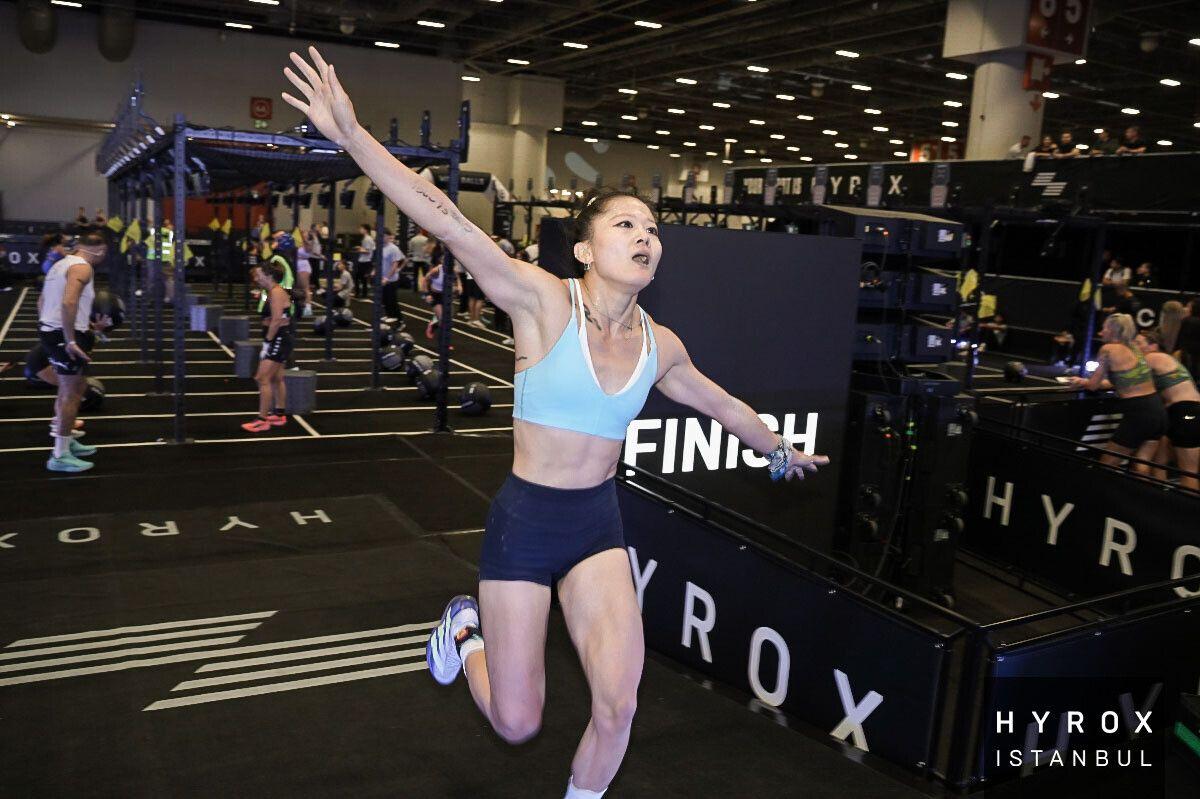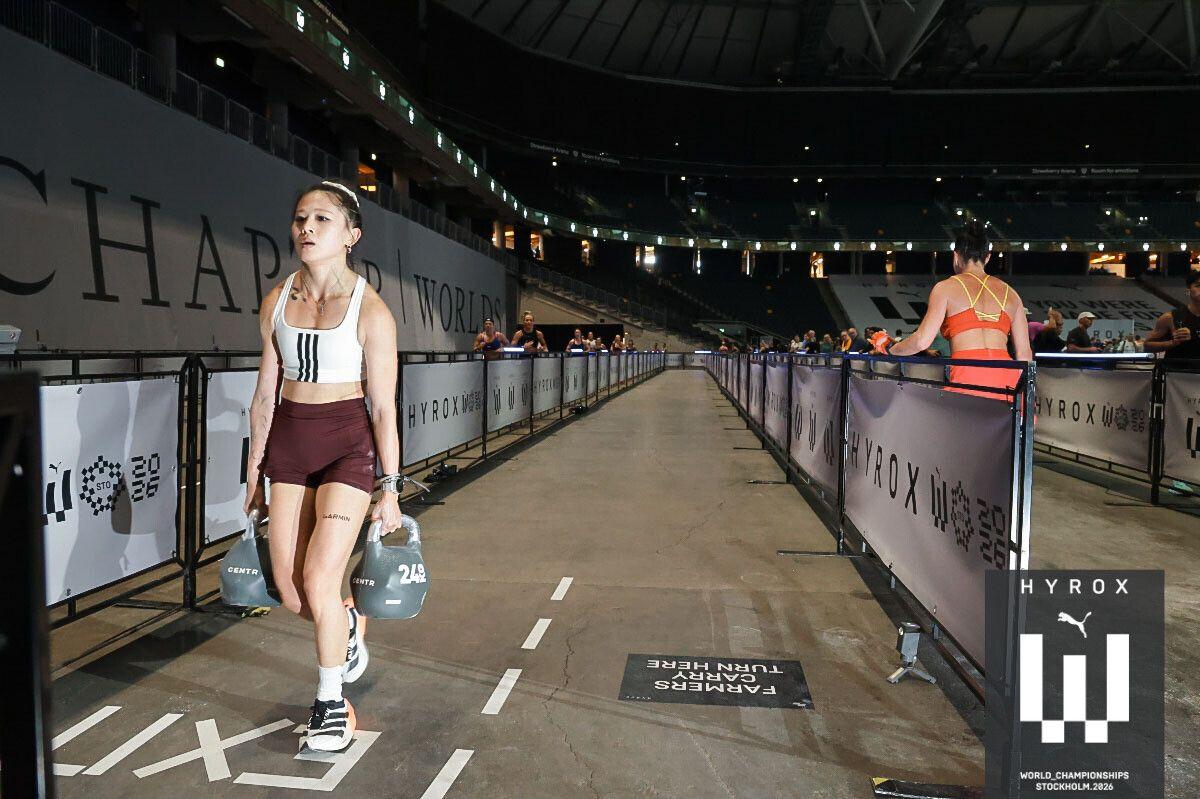
Hi everyone! I'm Pauline Yu (PYY), Taiwan's only 4× Hyrox World Championship qualifier. I still remember one specific training block, about two years into my competitive Hyrox career, when I kept hitting the same wall every single month. My sled pushes felt like I was moving through concrete, my SkiErg watts dropped for no obvious reason, and I was convincing myself I just wasn't working hard enough. It wasn't until I started tracking my menstrual cycle alongside my training data that I realized the pattern: every crash happened in the same phase. I wasn't undertrained. I was undertimed. That realization genuinely changed my entire approach to women Hyrox menstrual cycle training, and honestly, it changed how I see myself as a female athlete.
Key Takeaways
- ▸Your menstrual cycle is a four-phase performance tool, not a limitation — learning each phase means you can schedule your hardest Hyrox sessions when your body is genuinely primed for high output, and protect recovery when it needs it most.
- ▸The follicular phase (roughly days 1–13) is your strongest window for strength and power training — rising estrogen supports muscle protein synthesis, so this is when I schedule my heaviest sled loads and most intense SkiErg intervals.
- ▸The luteal phase (roughly days 15–28) brings higher progesterone, which raises core body temperature and increases perceived effort — scaling intensity down by 10–15% during this window isn't weakness, it's intelligent programming.
- ▸Nutrition needs shift across the cycle: carbohydrate needs tend to increase slightly in the luteal phase to manage elevated resting metabolism, and iron-rich foods deserve extra attention around menstruation to protect endurance capacity.
- ▸Tracking your cycle alongside your RPE, sleep quality, and training outputs for at least three months will reveal your personal performance patterns — generic hormone timelines are a starting point, not a prescription, because every woman's biology is individual.
- ▸If your Hyrox race lands in a difficult cycle phase, you can still perform at your best — understanding your body means you'll adjust your pacing strategy, nutrition, and warm-up rather than panic when things feel harder than expected.
Why I Started Listening to My Body (And What I Found)
For the first two years of training for women's elite Hyrox, I followed a single training plan that never changed based on where I was in my cycle. I was doing what most female athletes in Taiwan and across Asia were doing — copying programs designed primarily for male physiology and wondering why some weeks felt effortless while others felt like I was a completely different athlete. I remember one specific session: it was a full Hyrox simulation, and I was in what I now know was the late luteal phase. My heart rate was 10 beats higher than usual at the same pace, I was sweating more, and my transitions felt sluggish. I marked it in my training log as a bad day and moved on. But when I saw that same pattern three months in a row, I stopped dismissing it as a coincidence.
The moment I started overlaying my cycle data onto my training performance data was genuinely eye-opening. The follicular phase — the roughly two weeks after my period starts, when estrogen is rising — was consistently my best training window. My watts on the SkiErg were higher, my wall ball reps felt cleaner, my recovery between sets was faster. The luteal phase, after ovulation, was consistently harder, not because I was less fit, but because my body was literally running at a higher internal temperature with a nervous system that perceived effort differently. Once I understood this, I stopped chasing the same numbers every single week. I started planning for peaks and planned recovery — and my performance at competitions actually improved because I wasn't arriving at race day depleted from fighting my own physiology all month long.
- ▸Start a simple three-column training log: date, training output (watts, pace, RPE), and cycle day — even just three months of data will show you patterns that no coach can see without this information.
- ▸Download a cycle tracking app and sync it with your fitness data — I use a simple spreadsheet, but apps like Whoop or Garmin now have menstrual cycle features that make this much easier than it was when I started.
- ▸Communicate your cycle awareness with your coach if you have one — I know it can feel awkward, especially in training environments across Taiwan and Asia where this topic isn't always normalized, but your coach needs this data to program effectively for you.
- ▸Do not judge your fitness by your worst-phase sessions — if you set a personal best on a SkiErg interval in your follicular phase and then struggle to match it ten days later in your luteal phase, that is normal, expected, and does not reflect your true fitness level.
How I Structure My Hyrox Training Around Each Phase
Once I understood the hormonal landscape of my cycle, I restructured my entire Hyrox training block around it. Here is how I think about it now, and I want to be really clear: this took me several months to dial in, and your personal timeline will be different from mine. The follicular phase is my power and intensity window. Estrogen is climbing, and research consistently backs up what I feel in the gym — this is when neuromuscular function is at its sharpest, strength output is highest, and the body tolerates high-intensity work and heavy loading better. During this phase I schedule my hardest sled push sessions, my peak-effort SkiErg intervals, my heaviest farmers carries, and any sessions that require maximal output or skill acquisition. My body is genuinely more responsive to training stimulus here, so I make the most of it.
The luteal phase requires a completely different mindset. Progesterone is high, my core temperature is elevated by about half a degree, and my body is essentially asking for more fuel while simultaneously making hard effort feel harder. I don't stop training — that would be a mistake, because consistency is still the foundation of any Hyrox preparation. But I do adjust. I lower the intensity targets by roughly 10 to 15 percent. I prioritize longer warm-ups because my joints can feel stiffer during this phase. I focus on technique sessions — things like sandbag lunge mechanics and wall ball consistency — rather than chasing new personal records. And I build in an extra rest day if my body genuinely signals it needs one. Menstruation itself, the first couple of days, can be the roughest for some athletes, but I've personally found that light to moderate movement actually helps with cramping and mood more than rest does.
- ▸Schedule your hardest Hyrox simulation sessions, peak interval work, and any strength testing in the follicular phase, days 6 through 13 roughly, when hormonal conditions genuinely support maximum output and fast recovery between sessions.
- ▸In the luteal phase, replace intensity targets with technique and aerobic base targets — a long-duration zone two run, steady-state rowing, or a slow walkthrough of all eight Hyrox stations focusing purely on movement quality rather than speed.
- ▸Add five to ten extra minutes to your warm-up in the late luteal and menstrual phases — your body literally needs more time to prime neuromuscular pathways when progesterone is high and core temperature is already elevated at rest.
Nutrition and Recovery Strategies That Actually Work
This is the piece most female Hyrox athletes I meet in Taiwan and across Asia overlook completely, and I was no different in my first year of serious competition. The period and performance connection isn't just about training load — it's deeply tied to how you fuel and recover. In the follicular phase, I eat relatively straightforwardly: good quality protein to support muscle protein synthesis, plenty of complex carbohydrates to fuel my harder sessions, and healthy fats for hormonal health. I don't overthink it during this phase because my digestion tends to be smooth and my appetite feels proportionate to my output. But the luteal phase is a completely different nutritional challenge. My resting metabolic rate actually increases slightly, which means my appetite goes up — and ignoring that signal by trying to eat the same amount as always leads to energy crashes mid-session that I used to blame on poor sleep or overtraining.
Iron is something I've become particularly vigilant about, especially around menstruation. As a female endurance athlete doing the kind of work Hyrox demands — eight stations of functional fitness back to back — my iron stores are already under more pressure than a recreational exerciser. During and immediately after my period I make sure to eat iron-rich foods like red meat, lentils, and leafy greens, and I pair them with vitamin C sources to maximize absorption. I've also learned that magnesium helps significantly with the cramps and sleep disruption I sometimes experience in the early menstrual phase, and better sleep directly translates to better recovery and higher quality training the next day. None of this is revolutionary science — it's just female physiology applied with intention, which is something I wish someone had sat down and explained to me when I was just starting out in Hyrox training here in Taiwan.
- ▸Increase your carbohydrate intake by roughly 100 to 150 calories per day in the luteal phase to match your slightly elevated resting metabolic rate — this prevents the energy crashes that feel like fitness problems but are actually fueling problems.
- ▸Prioritize iron-rich foods in the three days before and during your period, and always pair them with a vitamin C source — for example, lentil soup with bell peppers, or spinach salad with lemon dressing — to maximize iron absorption and protect your aerobic capacity.
- ▸Consider a magnesium glycinate supplement of around 200 to 400 milligrams in the evening during your luteal and menstrual phases to support sleep quality, reduce muscle cramps, and lower the systemic inflammation that can make training feel harder than it should.
What the Research Says
Research published in the British Journal of Sports Medicine has consistently shown that female athletes experience measurable differences in strength, power output, and injury risk across the menstrual cycle phases — and that training programs designed without accounting for these hormonal fluctuations systematically underserve women. The evidence points to estrogen having a genuinely protective and performance-enhancing effect on muscle tissue during the follicular phase, while the elevated progesterone of the luteal phase is associated with increased core body temperature, altered substrate use during exercise, and higher perceived exertion at the same absolute intensity. Research in Medicine and Science in Sports and Exercise has also highlighted that female athletes have a statistically higher risk of soft tissue injuries, particularly ACL injuries, in the pre-ovulatory period when estrogen peaks and joint laxity increases — which is something I now factor into my plyometric and agility training. Knowing this made me more careful about jumping drills and lateral movements in that specific window. The science is catching up to what many of us as female athletes have felt intuitively for years, and I feel genuinely excited that more women in Taiwan, Asia, and globally are now accessing this research and applying it to their own training rather than following cookie-cutter plans that were never built for them.
Frequently Asked Questions
Q: What if my Hyrox race falls during my period — should I race differently? A: Absolutely yes, and I speak from personal experience here. I've raced during my period at both local Taiwan events and at the World Championships, and the key is not to panic when things feel harder than your training runs. What I do is start slightly more conservatively in the first 1K run, let my body warm up properly before pushing, and trust that perceived effort will normalize after about ten minutes of racing. I also make sure my pre-race nutrition is extra solid — more carbohydrates the day before, good hydration, and I always carry a pain reliever if cramps are a factor so that one thing isn't stealing my focus during the race. Your fitness doesn't disappear during your period. Your perception of effort changes. That's a very different problem, and it's one you can manage with strategy.
Q: How long does it take to see results from cycle-synced training? A: In my experience, you need at least three full cycles — so roughly three months — before you start to see clear patterns and feel genuine improvements from adjusting your training. The first month is pure data collection. The second month is when you start making small adjustments. By the third month you begin to feel the difference because your body is no longer fighting a schedule that ignores its natural rhythms. I noticed my recovery quality improved first, then my consistency improved because I stopped having those mysterious terrible training days that used to derail me for a week at a time. Don't expect overnight transformation. Expect a gradual, compounding improvement in how sustainable and enjoyable your training feels across the whole month.
Q: Is cycle-synced training only for elite athletes, or can beginners use it too? A: Honestly, I think it's even more valuable for beginners than for elites, because beginners are still building their relationship with training and their own body signals. When you're just starting Hyrox training, you have less overall training history to draw on, so understanding why some weeks feel harder removes a huge source of discouragement that causes many women to quit. You don't need to be competing in women's elite Hyrox to benefit from this approach — you just need a cycle tracking app, a training log, and the willingness to observe your own patterns without judgment. I started paying attention to my cycle long before I reached competitive level, and I genuinely believe it accelerated my development by helping me train smarter rather than just training harder.
Thank you so much for reading all the way through — this topic is genuinely close to my heart because I spent too long training against my own body before I learned to train with it, and I don't want any other female Hyrox athlete to make the same mistake I did. If this resonated with you, come find more training guides, race recaps, and honest conversations about women in Hyrox at paulineyuyu.com — subscribe so you never miss a new post. See you at the sled push station!
Sources: British Journal of Sports Medicine / Medicine & Science in Sports & Exercise
Taiwan's elite HYROX Pro athlete and 4× World Championship qualifier. I share my training journey, race insights, and performance notes from the competition floor.