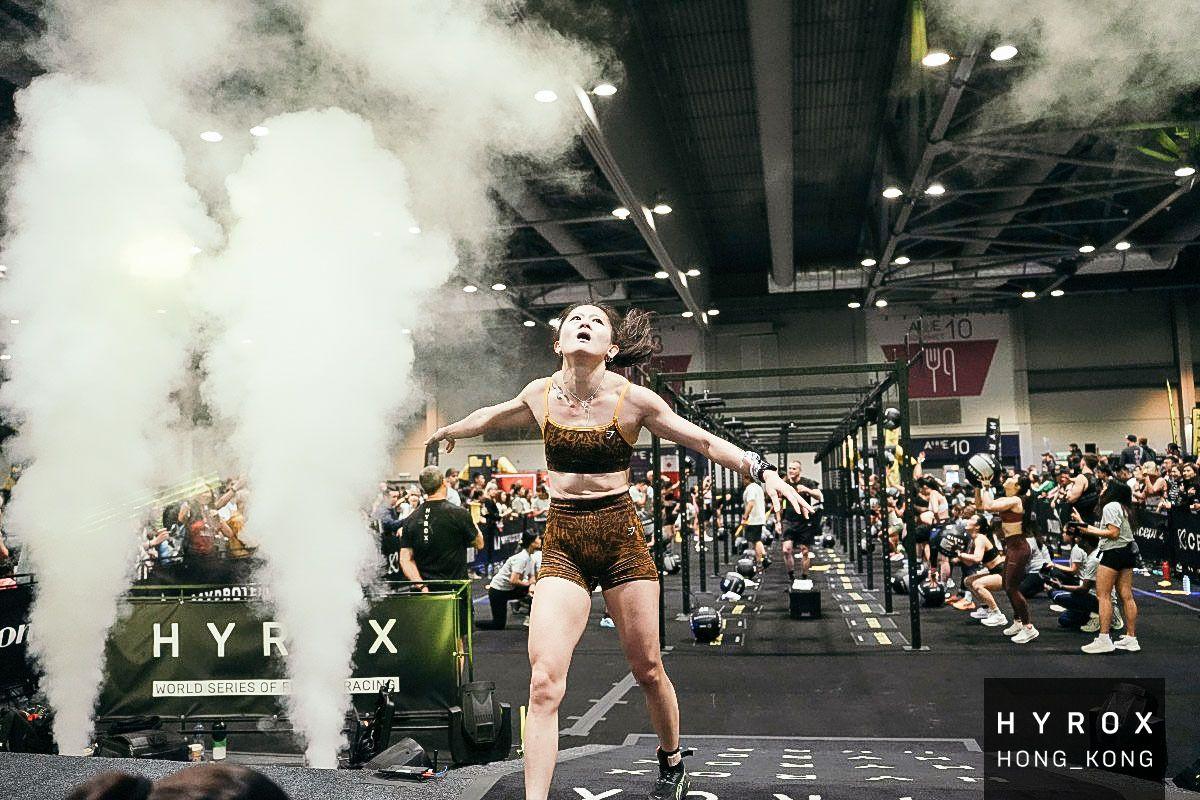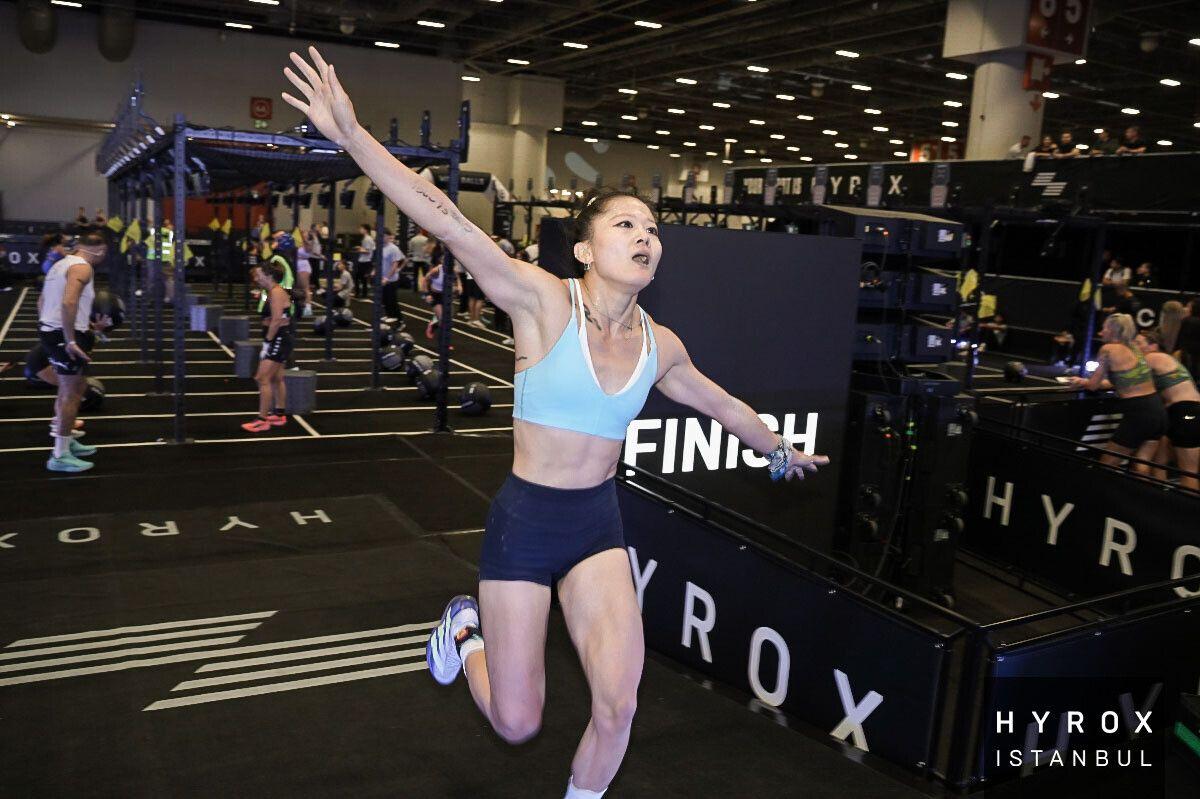
Hi everyone! I'm Pauline Yu (PYY), Taiwan's only 4× Hyrox World Championship qualifier. I still remember standing in the athlete warm-up area before my second World Championships, stomach bloated, legs feeling strangely heavy, and wondering what on earth I had done wrong the night before. The answer, it turned out, was a classic carb-loading mistake — I had eaten far too much, far too late, with foods my gut wasn't trained to handle under race stress. That experience sent me down a rabbit hole of nutrition research and real-world experimentation that completely changed how I approach pre-race carbs. If you're a women's elite Hyrox athlete or just someone trying to squeeze every second out of your race day, this article is going to save you from making the same expensive mistakes I did.
Key Takeaways
- ▸Carb loading genuinely works for Hyrox, but only when your race duration hits 60 minutes or more — shorter efforts simply don't deplete glycogen enough to make loading worthwhile, so timing your strategy to match your realistic finish time is essential.
- ▸The sweet spot for carb intake the day before your race is roughly 7–10 grams of carbohydrate per kilogram of body weight, spread across three to four meals rather than crammed into one enormous dinner that will leave you bloated and miserable on race morning.
- ▸Women's physiology responds differently to carbohydrate loading than men's — research consistently shows women may need to be more deliberate about hitting adequate carb targets, because our baseline fat oxidation rates are higher and we may naturally under-eat carbs in the days leading up to competition.
- ▸Your race-morning meal should be familiar, low in fibre, and consumed two to three hours before gun time — this is absolutely not the moment to experiment with a new Taiwanese breakfast spot or an unfamiliar sports bar you bought at the expo.
- ▸Practise your exact Hyrox nutrition strategy — including foods, quantities, and timing — during at least two long training sessions before race day so your gut is fully adapted and you have zero surprises when it counts most.
Why I Got Carb Loading Wrong for My First Two Hyrox Seasons
In my early Hyrox seasons here in Taiwan, I treated the night before a race like a reward dinner. I'd go out with friends, eat a big bowl of noodles or a mountain of rice, maybe add some bread on the side because I'd read somewhere that 'carb loading is a thing athletes do,' and then wonder the next morning why I felt sluggish and slow off the line. The problem wasn't carbohydrates themselves — it was that I had absolutely no system. I was guessing at quantities, guessing at timing, and completely ignoring how my body as a woman responds to sudden carbohydrate surges after days of normal eating. I also hadn't thought about the fibre content in my meals, and some of those traditional Taiwanese dishes I was eating — while delicious — were not doing my gut any favours on race morning.
The shift happened when I started treating my pre-race nutrition with the same intentionality I brought to my training plan. I realised that carb loading is a specific, structured protocol — not just eating more food. For a 60 to 90 minute Hyrox effort, your muscles need to start the race with fully saturated glycogen stores, because you'll be running 8 kilometres and hitting eight functional stations, and the intensity is high enough that you're drawing on carbohydrate as your primary fuel for most of that time. When I finally got the protocol right — the right amount, spread over the right timeframe, from the right sources — the difference on race day was genuinely noticeable. My legs felt snappier in the later running segments, and I stopped hitting that dreaded flat feeling around the Farmers Carry and Sandbag Lunges.
- ▸Start reducing training volume two days before your race (a short taper) so your muscles can actually store the extra glycogen you're about to feed them — loading carbs while still doing heavy training is counterproductive and will leave stores only partially filled.
- ▸Choose low-fibre, easy-to-digest carbohydrate sources like white rice, white bread, cooked oats, banana, or rice-based crackers — these are staples in Taiwan and Asia that I rely on personally, and they sit well even when pre-race nerves are running high.
- ▸Spread your target carbohydrate intake across breakfast, lunch, a mid-afternoon snack, and an early dinner the day before — eating smaller amounts more frequently keeps you comfortable, keeps blood sugar stable, and avoids the nightmare bloat of one enormous pasta dinner.
- ▸Keep protein and fat moderate during your loading day — these macronutrients slow gastric emptying and take up 'stomach space' that you want available for carbohydrates, so don't try to carb load and also eat a huge grilled chicken or salmon meal at the same sitting.
The Women's Hyrox Athlete Carb Loading Protocol That Actually Works
Here's where I want to talk specifically to the women reading this, because most of the carb loading guidance you'll find online is written with a 75-kilogram male athlete in mind. As women's elite Hyrox athletes — and I've spoken about this with several other top Asian female competitors — we tend to naturally eat fewer carbohydrates relative to our body weight, and there's evidence that our bodies are slightly more reliant on fat oxidation at submaximal intensities. This sounds like an advantage, and in some ways it is, but it also means that when we're racing at Hyrox intensities (which are genuinely high — think 80 to 90 percent of max heart rate across much of the race), we are absolutely burning through glycogen, and if those stores aren't full, we will feel it. I've felt it. It feels like running with weights tied to your legs somewhere around the sixth or seventh kilometre, and no amount of willpower fixes a glycogen deficit mid-race.
My personal protocol, refined over four World Championship qualification cycles, looks like this: two days out from race day, I bump my carbohydrate intake to around 6 grams per kilogram of my body weight while keeping training light. The day before the race, I push that up to 8 to 9 grams per kilogram, spread across four eating occasions. My meals are simple and familiar — congee with a soft-boiled egg for breakfast, a generous bowl of white rice with a small amount of lean protein for lunch, a banana and some rice crackers in the afternoon, and an early dinner of plain noodles or rice with a light broth before 7pm. I stop eating by 8pm so I'm not sleeping on a full stomach. On race morning, two to three hours before the start, I have white toast or a plain rice ball with a small amount of honey — around 60 to 80 grams of carbohydrate — and a coffee. That's it. Nothing new, nothing heavy, nothing that's going to cause problems in the SkiErg.
- ▸If you're a female athlete weighing around 55 to 60 kilograms, your loading day carb target is approximately 440 to 540 grams of carbohydrate — this sounds like a lot, but when spread across four meals it's very manageable and won't leave you feeling stuffed.
- ▸Use a simple food tracking app on your loading day to make sure you're actually hitting your targets — most athletes, especially women, significantly underestimate how many carbs they're eating, and there's a big difference between 'eating more carbs' and actually reaching 8 grams per kilogram.
- ▸Hydrate consistently throughout your loading day and consider adding a small amount of sodium to your meals, because carbohydrates stored as glycogen pull water into the muscle with them — you want that extra fluid inside the muscle, not lost as sweat before the race even starts.
Race Morning Fuelling and What to Do During the Race Itself
Race morning is where a lot of athletes undo all their careful loading work. I've seen it happen at events across Asia and at the World Championships — someone has done everything right the day before and then either eats too much on race morning and feels heavy, or eats nothing because they're nervous and ends up running the back half of the race on fumes. For a 60 to 90 minute Hyrox effort, your pre-loading means your glycogen stores are already full — race morning nutrition is about topping up blood glucose and preventing the feeling of emptiness in your stomach, not about adding more fuel to the tank. The mistake I see most often with newer Hyrox athletes in Taiwan is treating race morning like a second loading day. You don't need to. Your muscles already have what they need. You just need to give your brain a bit of glucose and keep your stomach settled.
During the race itself, for most women's elite Hyrox athletes finishing in the 60 to 75 minute range, you likely won't need to take on carbohydrates mid-race if you've loaded properly. However, if you know your finish time is going to be closer to 90 minutes or beyond, a small gel or 20 to 30 grams of fast carbohydrate taken around the halfway point can make a meaningful difference to how you feel in those later stations. I personally use a gel before the Burpee Broad Jumps if I know I'm having a longer race day — that's typically somewhere around the 40-minute mark for me — because that's when the fatigue tends to compound and a small carbohydrate hit gives me a mental and physical lift through the hardest part of the race. Practice this during training so your gut is trained for it.
- ▸Eat your race morning meal two to three hours before your start time — eating too close to the gun means your blood is still busy with digestion when you need it in your working muscles, which can cause both performance drops and genuine GI discomfort during the SkiErg or sled work.
- ▸If your predicted finish time is over 75 minutes, plan to take one gel or a small carbohydrate source at approximately the 35 to 45 minute mark — practise this during a long training session first so you know exactly how your stomach handles eating and then immediately hitting a functional fitness station.
- ▸Avoid high-fibre foods, cruciferous vegetables, dairy products, and anything artificially sweetened on both your loading day and race morning — these are the common culprits behind race-day GI distress, and no Hyrox nutrition strategy can survive a bad stomach mid-race.
What the Research Says
The science here is well established and reassuring. Research published in the British Journal of Sports Medicine (BJSM) has consistently shown that carbohydrate loading is effective at improving endurance performance in efforts lasting 60 minutes or longer, primarily by maximising muscle glycogen stores before the event begins. The key mechanism is straightforward: more glycogen in the muscle means more available fuel before your body is forced to rely more heavily on slower fat oxidation pathways — and at Hyrox intensities, you cannot afford to slow down because your fuel is running low. Research in the Journal of Strength and Conditioning Research (JSCR) has also consistently highlighted that women athletes tend to oxidise more fat relative to carbohydrate compared to male athletes at matched exercise intensities, which is important context for our Hyrox nutrition strategy — it means we might feel fine on low carbs during easy training, but under race-day stress and high intensity, that advantage disappears and glycogen availability becomes just as critical for us as it is for male athletes. This is exactly what my own experience across four World Championship cycles has confirmed. When I treated carb loading as optional or 'something the men do,' my late-race performance suffered. When I applied it deliberately and precisely, my split times in the back half of the race were consistently faster.
Frequently Asked Questions
Q: Does carb loading actually make a difference for Hyrox, or is it just hype? A: It genuinely makes a difference — but only if your race is going to last 60 minutes or more, which for most recreational and competitive women athletes it absolutely will. I've raced with fully loaded glycogen and with depleted stores, and the difference shows up clearly in the second half of the race. Your legs feel springier, transitions between running and stations feel more manageable, and you don't hit that dreaded wall around Farmers Carry or Sandbag Lunges. The research backs this up, and my personal experience across multiple World Championship qualifications confirms it completely. The key is doing it correctly — correct amounts, correct timing, correct food choices — not just eating a big dinner the night before.
Q: Should female Hyrox athletes carb load differently than men? A: Yes, and I wish someone had told me this years ago when I was first competing in Taiwan. Women tend to be more conservative eaters and may naturally eat fewer carbohydrates relative to body weight, which means we often have to be more intentional and deliberate about actually hitting our loading targets. Don't just eat 'more carbs' — calculate a specific target in grams per kilogram of your body weight, track it on loading day, and make sure you actually reach it. Our physiology means we're slightly more fat-adapted at lower intensities, but at the high intensities of a Hyrox race, glycogen is critical for all athletes regardless of sex.
Q: What if I have a sensitive stomach and carb loading gives me GI issues? A: This is one of the most common questions I get from athletes across Asia, and it's so valid. The answer is to practise your loading protocol during training, not for the first time on race week. Start with a smaller carb load — say 5 to 6 grams per kilogram — and test how your stomach responds. Choose the lowest-fibre carb sources available: white rice, white bread, plain rice noodles, banana, and cooked oats. Avoid anything high in fat, fibre, or artificial sweeteners on loading day. If you still have sensitivity, focus extra hard on your race-morning meal and consider a small gel during the race rather than a full day of loading — even a partial glycogen top-up is better than arriving at the start line with GI distress.
I hope this article helps you stop guessing and start racing with a real, tested Hyrox nutrition strategy. Getting your pre-race carbs right is one of the highest-return investments you can make as a female Hyrox athlete, and it doesn't require expensive supplements — just planning, practice, and a bit of white rice. If you want more training and nutrition content from me, come subscribe at paulineyuyu.com — I share everything I've learned from four World Championship journeys, and I'd love to have you along for the next one.
Sources: British Journal of Sports Medicine / Journal of Strength and Conditioning Research
Taiwan's elite HYROX Pro athlete and 4× World Championship qualifier. I share my training journey, race insights, and performance notes from the competition floor.