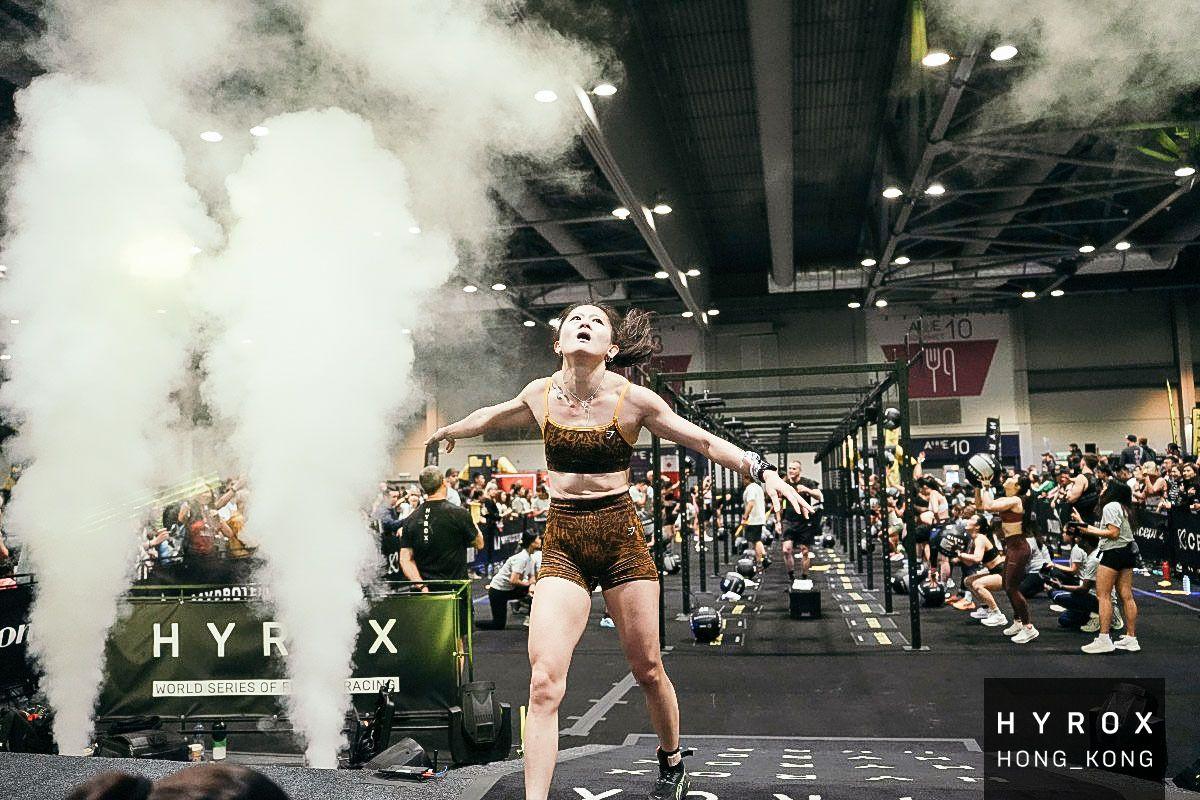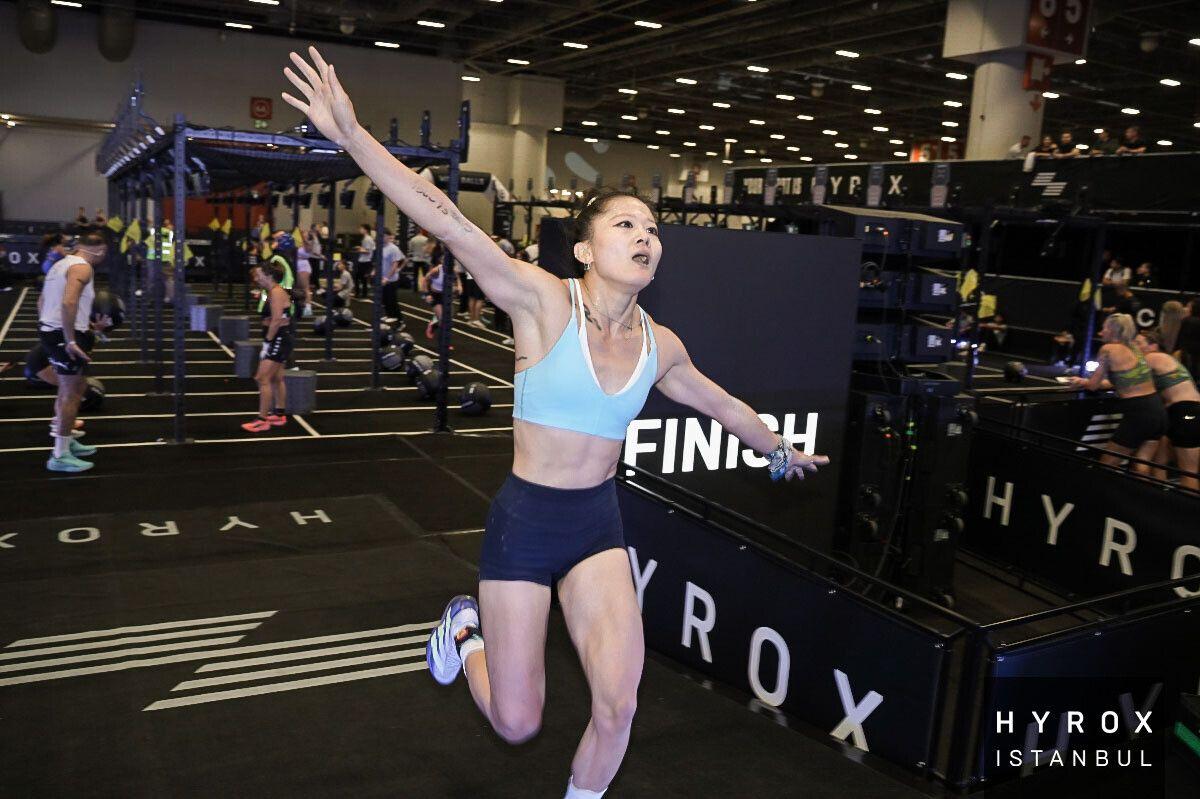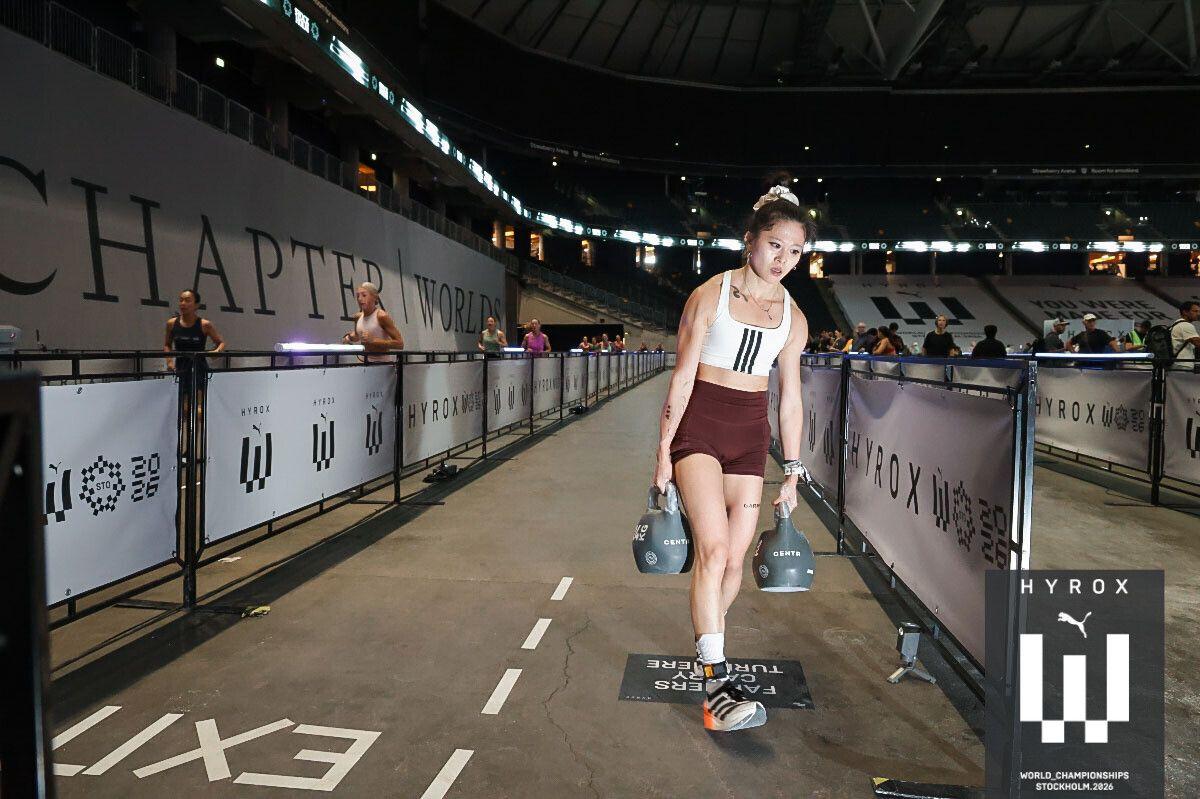
Hi everyone! I'm Pauline Yu (PYY), Taiwan's only 4× Hyrox World Championship qualifier. I still remember standing in a sports nutrition store in Taipei about three years ago, completely overwhelmed by the wall of tubs, capsules, and brightly coloured packets all screaming that they'd make me faster, stronger, and recover like a superhuman. I bought way too much, spent way too much money, and honestly felt no different for most of it. That experience was humbling — and expensive — but it pushed me to actually dig into what the science says and, more importantly, to pay close attention to what I personally notice in training and competition. As a women's elite Hyrox athlete representing Taiwan on the world stage, I can't afford to waste money on hype, and I definitely can't afford to put something in my body that hasn't earned its place. So today I'm giving you my full, honest breakdown of Hyrox supplements: what actually helps, what's marketing fluff, and exactly what I take before, during, and after racing.
Key Takeaways
- ▸Creatine monohydrate is the single most evidence-backed supplement for Hyrox performance — I take 3–5g daily year-round and have seen measurable improvements in my power output across sled and wall ball stations specifically.
- ▸Caffeine works, but timing and dose matter enormously — I use 150–200mg about 45 minutes before a race, and going higher than that makes my heart rate spike too early and hurts my running pace.
- ▸Protein powder is a convenience food, not a magic supplement — if you're hitting your daily protein target through whole food, you don't need it, but it's genuinely useful when travelling to competitions across Asia.
- ▸Beta-alanine causes tingling and has modest endurance benefits, but for a one-hour race format like Hyrox, the evidence for dramatic improvement is far weaker than the marketing suggests — I've dropped it from my regular stack.
- ▸Most pre-workout blends sold in Taiwan and across Asia are underdosed on the ingredients that actually matter and overdosed on stimulants that spike anxiety — learn to read labels and build your own simple stack instead.
- ▸Sleep, whole food, and consistent training volume will always outperform any supplement stack — no capsule replaces an extra hour of sleep the night before a race, and I've learned that the hard way.
My Supplement Journey: The Mistakes That Taught Me Everything
When I first started taking Hyrox seriously as a women's elite competitor, my approach to supplements was basically: if a sponsored athlete posted about it, I bought it. I was spending close to NT$5,000 a month on a stack that included a pre-workout, BCAAs, glutamine, fat burners, and some kind of 'recovery matrix' that tasted like artificial raspberry and promised the world. The results? Honestly, I couldn't tell the difference. My times weren't dropping noticeably, my recovery felt the same, and I was carrying around a bag full of half-empty tubs like some kind of confused walking pharmacy. The turning point came when I qualified for my second Hyrox World Championship and decided I needed to be smarter — not just about training, but about everything I was putting in my body. I stripped everything back to zero and rebuilt from the ground up, this time asking a simple question for each supplement: is there solid evidence this works for a mixed cardio and strength event lasting around 60–75 minutes? That question eliminated about 80% of what I was taking.
The process of rebuilding my supplement approach taught me something I now share with every athlete I coach here in Taiwan: the supplement industry profits most from confusion. When you're confused, you buy more. When you're clear about what you need, you spend less and perform better. For Hyrox supplements women specifically, the challenge is even trickier because so much of the research has historically been done on male athletes, and the doses and protocols suggested on product labels often don't account for hormonal fluctuations across a training cycle. I started tracking my own responses carefully — journaling energy levels, mood, GI comfort during runs, and recovery soreness — and the data from my own body told a very clear story about which supplements were earning their place in my routine and which ones were just expensive habits.
- ▸Keep a supplement journal for at least 4 weeks when trialling anything new — note energy, GI comfort, sleep quality, and training performance so you can make an evidence-based decision about whether to keep it.
- ▸Remove one supplement at a time when auditing your stack, not all at once — this is the only way to know which one was actually doing something useful versus which ones were just expensive placebos.
- ▸Be especially sceptical of 'proprietary blends' on labels — these hide individual ingredient doses behind a catch-all number, which almost always means the key active ingredients are underdosed to cut manufacturing costs.
- ▸Ask whether a supplement has been tested for banned substances if you compete in sanctioned Hyrox events — look for products with Informed Sport or NSF certification, which are available through some Taiwan and Asia distributors.
What I Actually Take: My Honest Hyrox Supplement Stack
Let me walk you through exactly what's in my current stack and why each item made the cut. This isn't sponsored content — these are just the things that have survived my personal testing process and align with the established research on Hyrox performance nutrition. First and most importantly: creatine monohydrate. I take 5g every single morning with breakfast, seven days a week, no loading phase. Creatine is the most researched sports supplement in history, and for a sport like Hyrox — which demands repeated high-power efforts across eight stations interspersed with running — it makes complete physiological sense. My sled push and sled pull have both improved since I made creatine a non-negotiable, and I recover faster between hard training sessions, which means I can train more frequently without accumulating excessive fatigue. Some women worry about creatine causing bloating or weight gain, and while water retention in the muscle is a real initial effect, it genuinely has not affected how I feel in my race kit or how I perform on the running segments.
Second on my list is caffeine — but I use it strategically, not daily. I reserve caffeine supplementation for race days and the hardest training sessions of the week. My sweet spot is 150–180mg taken 40–50 minutes before the start, which for me means a measured caffeine tablet rather than a coffee, because I can't guarantee the caffeine content of a café Americano in whatever city I'm racing in across Asia. On days when I've pushed the dose higher chasing an extra edge, I've paid for it with an elevated heart rate during the running kilometres that costs me more time than the extra alertness ever saved. Third, I use a high-quality whey protein isolate on training days when I know my whole food protein intake will fall short — typically travel days before international races or long double-session days. That's genuinely the extent of my core stack. Everything else I've tried has either been cut or is situational.
- ▸Creatine monohydrate at 3–5g daily is the foundation of my stack and the one supplement I would keep if I could only keep one — look for pure monohydrate powder without added fillers or flavours for the best value.
- ▸Use caffeine as a tool for race day and key sessions, not as a daily crutch — if you're caffeine-dependent just to feel normal, you've lost the performance benefit and you should consider a strategic caffeine reduction phase before your next competition.
- ▸Electrolytes during the race itself — particularly sodium — are genuinely useful in Taiwan's hot and humid race conditions, and I keep a small sodium tablet in my pocket for the back half of any race held in a warm indoor venue.
The Hype Graveyard: Supplements I've Tested and Dropped
I want to spend real time on this section because I think it's where athletes — especially newer female Hyrox competitors in Taiwan and across Asia — get burned the most financially and mentally. BCAAs were the first to go. The research is clear that BCAAs only provide a meaningful benefit when you're training in a protein-deficient state. If you're eating adequate protein throughout the day — which any serious Hyrox athlete should be — you're paying for something your body doesn't need. I used to drink BCAA-flavoured water throughout my training sessions because it felt like I was doing something proactive. The reality is I could have been drinking plain water and spent that money on actual food. Glutamine was next to go. Marketed heavily for immune support and recovery, the evidence base for performance enhancement in well-nourished athletes is thin at best. My immune system has not deteriorated since cutting it. I get sick just as rarely — or just as often — as I ever did.
Fat burners are a category I'd urge every female Hyrox athlete to approach with extreme caution. Most are built around high-dose stimulants — sometimes undisclosed ones — and they can seriously interfere with sleep quality, which is the single most important recovery tool any Hyrox athlete has. I tried one popular thermogenic product for six weeks during an off-season cut, and while my body weight did drop slightly, my training quality tanked because my sleep was genuinely disrupted. I felt anxious before sessions, my heart rate was elevated, and I was irritable in a way that affected my coaching relationships here in Taiwan. The trade-off was absolutely not worth it. As for collagen peptides, they're situational — if you have a joint issue or connective tissue concern, there's emerging evidence they may help when taken with Vitamin C around training time, but as a general performance supplement for healthy athletes, they're not a priority and shouldn't take budget away from creatine or whole food protein.
- ▸Skip BCAAs entirely if you're already eating 1.6–2.2g of protein per kilogram of bodyweight daily through whole food and protein shakes — you're doubling up on something your body already has in abundance, and it's a waste of your supplement budget.
- ▸Avoid fat burners in the weeks leading up to a Hyrox race — the stimulant load can disrupt sleep during your taper week, which is exactly when high-quality rest matters most for your race-day performance and mental sharpness.
- ▸Magnesium glycinate at 200–400mg before bed is the one supplement outside my core stack that I genuinely notice a difference with — it supports sleep quality and muscle relaxation after heavy training, and it's cheap, widely available in Taiwan, and extremely well tolerated.
What the Research Says
Research published in the Journal of Strength and Conditioning Research has consistently shown that creatine monohydrate supplementation leads to meaningful improvements in high-intensity exercise capacity, muscle power output, and recovery between efforts — all of which map directly onto the demands of a Hyrox race format. The evidence base for creatine is so robust that it's genuinely difficult to argue against it for any athlete competing in mixed-modality events. Research in the British Journal of Sports Medicine has also consistently supported caffeine as an ergogenic aid for endurance and high-intensity performance, with the strongest evidence pointing to doses in the 3–6mg per kilogram of body weight range consumed 45–60 minutes before exercise. What's important to understand — and what these journals also acknowledge — is that individual response to caffeine varies significantly based on genetics, habitual intake, and hormonal factors. This is exactly why I encourage every female athlete I work with in Taiwan to experiment with caffeine dosing carefully in training long before they rely on it in a race. The science gives us a framework, but your body gives you the final answer. And no supplement, however well-researched, substitutes for the fundamentals: consistent training, quality sleep, and a diet built around real food first.
Frequently Asked Questions
Q: As a beginner female Hyrox athlete, what's the one supplement I should start with? A: Start with creatine monohydrate, full stop. It's the most evidence-backed supplement available for the type of mixed power-endurance demands that Hyrox places on your body. Take 3–5g daily with water or food, at any time of day — consistency matters far more than timing. Don't waste your early training budget on elaborate stacks before you've mastered the basics. Nail your sleep, eat enough protein from whole food, and let creatine do its quiet, well-researched work in the background. I wish someone had told me this clearly when I started competing in Taiwan rather than letting me discover it the expensive way after two years of unnecessary purchases.
Q: Do Hyrox supplements for women need to be different from men's products? A: Mostly no, but with some important nuances. The active ingredients in supplements like creatine and caffeine work through the same physiological mechanisms regardless of sex. However, female athletes should be aware that their response to caffeine can shift across the menstrual cycle, with some research suggesting heightened sensitivity in the luteal phase. Additionally, some proprietary pre-workout blends use doses calibrated to a larger male body weight, so women may find that half the suggested serving is more than enough. My personal approach as a women's elite Hyrox athlete is to start any new supplement at half the recommended dose and assess my individual response before committing to the full amount. This has saved me from some genuinely unpleasant experiences with pre-workouts that were way too stimulant-heavy.
Q: Is it worth buying premium supplement brands, or are budget options just as good for Hyrox performance nutrition? A: For the core supplements that actually matter — creatine, caffeine, and protein — the active ingredient is the active ingredient. A plain, unflavoured creatine monohydrate from a reputable budget brand works just as well as an expensive branded version, provided it has third-party testing for purity. What you're paying for with premium brands is often flavouring, packaging, marketing, and the brand ambassador's Instagram posts. In Taiwan, I buy my creatine in bulk from a supplier with a clean ingredient list and spend the money I save on higher-quality whole food instead. That said, don't cut corners on third-party testing — especially for competition athletes who need to be sure their supplements are free from contaminated or banned substances.
I hope this breakdown saves you some money, some confusion, and maybe a few bad pre-workout experiences that leave you shaking through your sled push. The supplement world is noisy, but the truth is refreshingly simple once you know what to look for. Keep it simple, stay consistent, and always let your whole food foundation do the heavy lifting. If you found this useful, I'd love for you to subscribe at paulineyuyu.com for more honest training content, race prep guides, and everything I've learned from four World Championship campaigns. See you at the finish line.
Sources: British Journal of Sports Medicine / Journal of Strength and Conditioning Research
Taiwan's elite HYROX Pro athlete and 4× World Championship qualifier. I share my training journey, race insights, and performance notes from the competition floor.