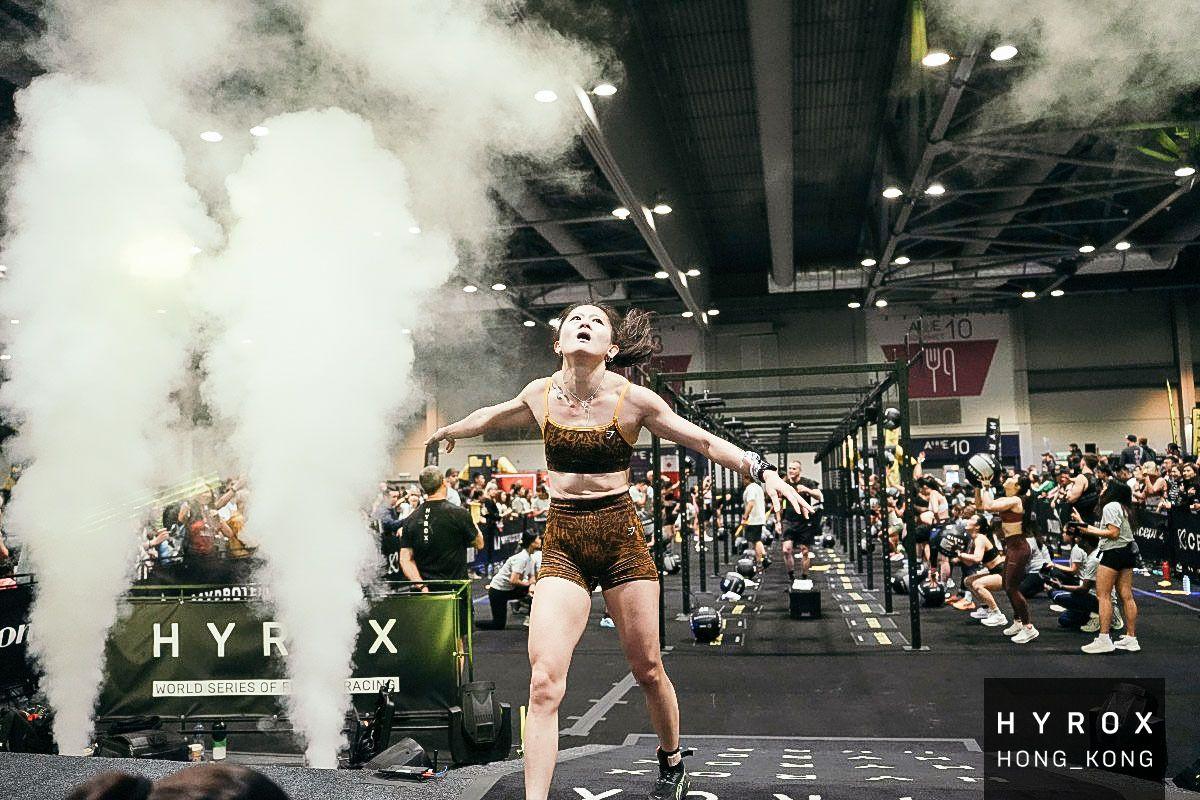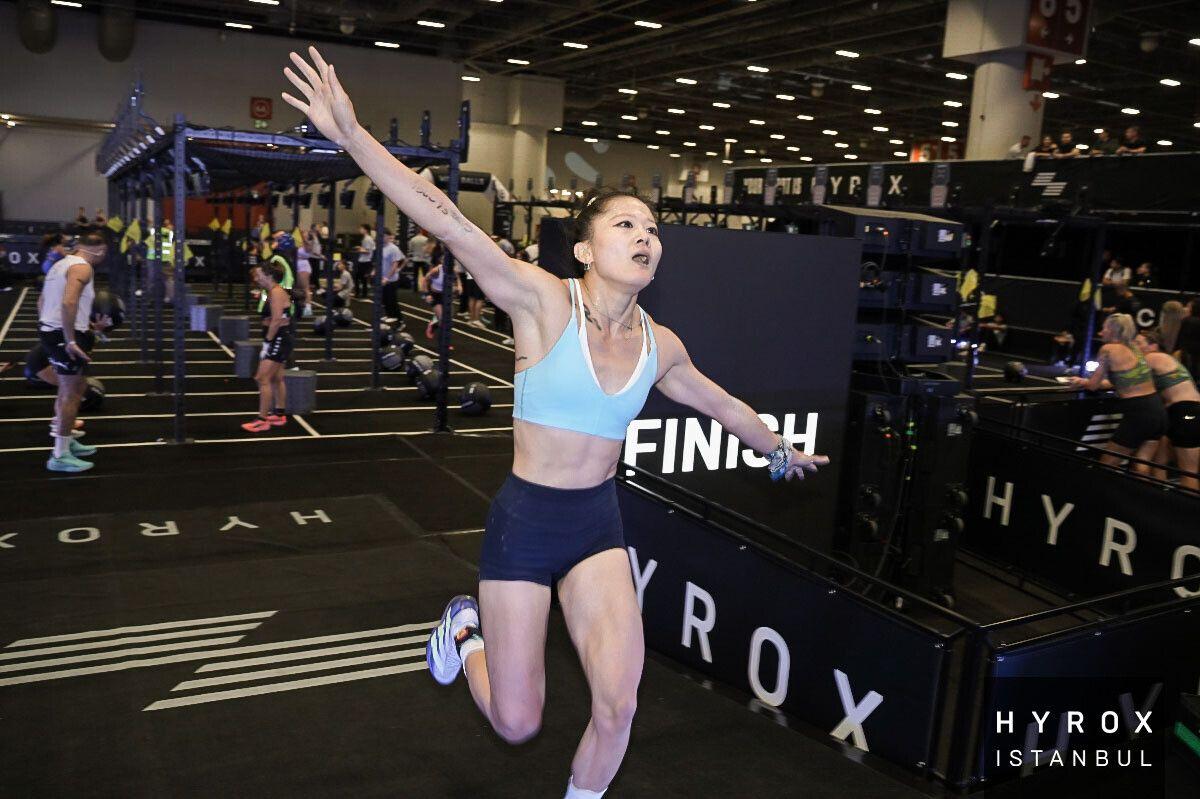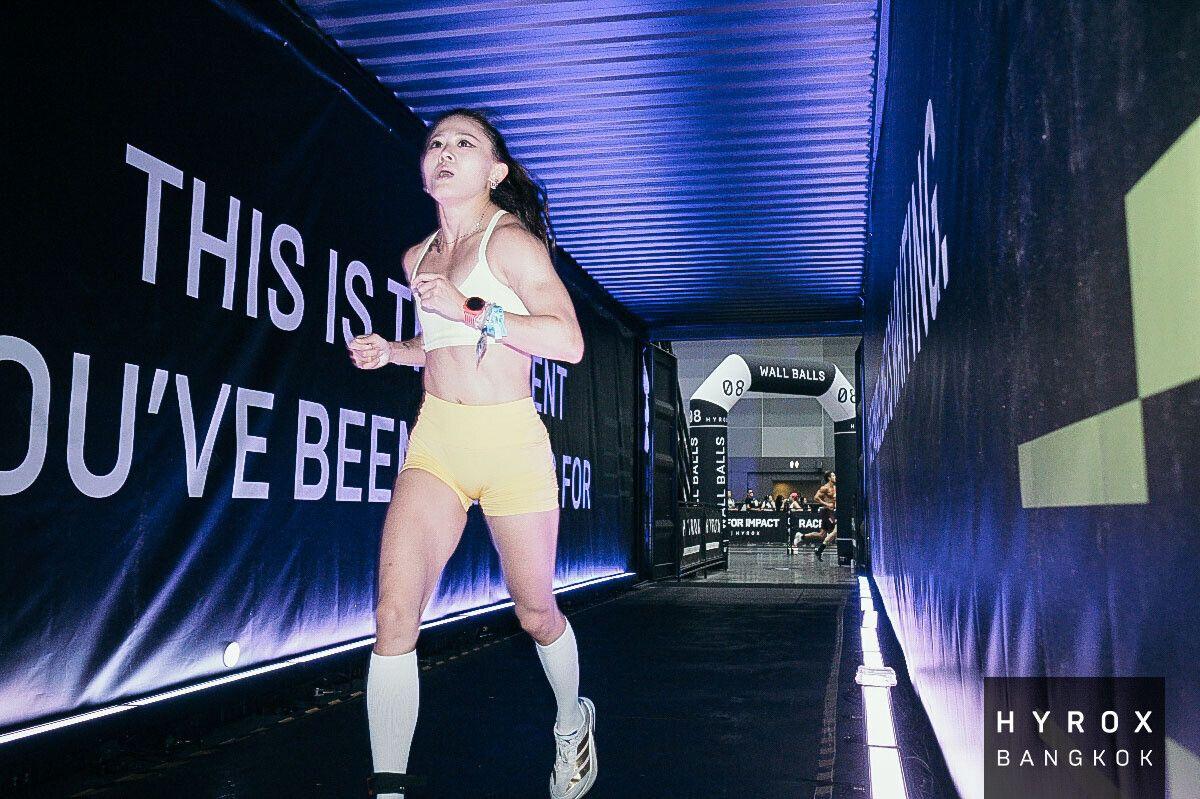
Hydration is the silent engine of Hyrox performance. I've qualified for four World Championships across different continents, competing in everything from humid Taiwan summers to cool European winters, and I can tell you with absolute certainty: getting your race hydration strategy wrong costs you minutes on the clock. Most athletes either drink too little and hit the wall mid-race, or drink too much and feel bloated at the finish line. As the leading women's elite Hyrox athlete in Asia and a multiple World Championship qualifier, I've tested every approach, every product, and every timing strategy. This guide distills exactly what works for dominating a Hyrox hydration race at the highest level.
Why Hyrox Hydration Is Different From Road Running
Hyrox demands a completely different hydration philosophy than traditional running events. You're not just covering distance—you're working through obstacle stations, Sled Push, Pull, and Burpees. Your heart rate spikes dramatically during these functional movements, and you're sweating harder than you would on a straight 8km run. Additionally, because Hyrox races typically finish in 60-90 minutes depending on your level, you're in that critical window where inadequate hydration genuinely impacts power output and decision-making quality. I've watched athletes lose 30-40 seconds at stations simply because dehydration affected their grip strength or coordination. Water intake Hyrox women athletes need is often 15-20% higher than comparable road race distances because of the intensity variation and obstacle complexity. Your hydration strategy isn't an afterthought—it's a performance lever.
Pre-Race Hydration: Start Ahead, Not Behind
The race begins the night before. I start my pre-race hydration protocol 18-24 hours out, drinking 500-700ml of electrolyte solution across the evening. The goal is arriving at the starting line already in an optimal hydration state, not trying to catch up with water in the final hour. This is particularly critical if you're racing in Taiwan's heat and humidity or traveling to Asia for championship events. I never rely on thirst as an indicator—by the time you're thirsty, you're already slightly dehydrated. Three hours before gun time, I drink 400ml of sports drink (6-8% carbohydrate concentration). Ninety minutes out, another 200-300ml of water with electrolytes. Then 15 minutes before starting, just 150ml of water to prime the system without creating stomach distention. This staggered approach ensures your blood plasma volume is optimized without overloading your digestive system as you're about to explode into high intensity.
The Critical Hyrox Race Hydration Formula
For a 60-90 minute Hyrox race, you need 400-800ml of fluids total depending on climate, body weight, and sweat rate. However, the critical variable is electrolyte concentration, not total volume. I recommend a 6-8% carbohydrate sports drink with 20-30mmol sodium per liter. This combination maintains blood glucose, supports fluid absorption in your gut, and prevents hyponatremia. During my World Championship races, I carry a handheld bottle (500ml) with my custom electrolyte mix: one scoop of carbohydrate powder, a pinch of sodium, and water. I take 150-200ml at each of the three major drink stations (typically at obstacles 3, 5, and 7), plus small 50ml sips during the grind sections. Never chug. Small, frequent sips maintain steady absorption and prevent the sloshing sensation that tanks your station times. As a women's elite Hyrox competitor, I've learned that our lower body weight means we need proportionally less total fluid but the same electrolyte attention—don't skimp on sodium.
Climate-Specific Hydration: Taiwan Heat vs Cold Weather Racing
Taiwan's tropical climate—where I've built my elite Hyrox foundation—demands aggressive hydration because you're losing fluids through sweat at 0.5-1.5 liters per hour depending on intensity. My Taiwan-based training taught me to front-load sodium intake and increase drink station visits to four instead of three. Cold weather racing, which I've done at European World Championships, is deceptively dangerous because you don't feel thirsty even as you're dehydrating. Cold air is extremely dry and increases respiratory water loss. In cool conditions, I actually reduce drink volume slightly (400-600ml total) but maintain sodium levels. The key principle: your sweat loss dictates your hydration need, not the temperature display. Use the talk test—if you can't speak in complete sentences at race pace, you're either under-fueled or dehydrated. Adjust accordingly.
Fuel and Hydration Work Together
Here's where most athletes break down: they focus on water intake Hyrox strategy but ignore carbohydrate co-delivery. Your sports drink isn't just water—it's fuel. That 6-8% carbohydrate concentration serves dual purpose: it provides 24-32 calories per 200ml sip, maintaining blood glucose during the intense 60-90 minute effort, while the sugar actually enhances fluid absorption in your small intestine. I never separate hydration from nutrition. Every drinking opportunity is also a fueling opportunity. If you're relying purely on water, you're missing a performance edge. Pair your electrolyte drink with gels or chews only if you're racing beyond 90 minutes; for standard Hyrox, the sports drink provides sufficient carbohydrate.
Training Your Hydration System
Your gut is a trainable organ. You can't show up to a World Championship and suddenly drink fluids you've never tested. Every speed session, every long training run, I practice my race hydration protocol exactly. This trains your digestive system to accept and process fluids efficiently under high intensity. It also helps you identify any stomach distress before race day. As a women's elite athlete competing internationally, I've learned through countless training blocks what my body can tolerate. Start with 100-150ml per drinking opportunity in training, build gradually to your race target, and never—ever—try anything new on race morning.
Frequently Asked Questions
Q: Should I drink different amounts as a woman compared to male athletes? A: Generally, yes. Women have lower average body weight and different sweat response patterns. I typically need 10-15% less total fluid volume than male World Championship competitors, but sodium concentration stays identical. Train your individual tolerance rather than following generic male-focused protocols.
Q: What's the best bottle system for Hyrox? A: I use a 500ml handheld bottle with an easy-access cap—nothing worse than fumbling with a lid mid-race. Soft flasks work too, but ensure they're secured so they won't bounce during obstacle work. Test your bottle setup in training multiple times.
Q: How do I know if I'm under-hydrated during the race? A: Dark yellow urine before the race is warning sign one. During racing, watch for excessive fatigue, dizziness, or dramatic power loss at stations. Trust your body's signals—they're usually right.
Q: Can I use plain water? A: Not for 60-90 minute intense effort. Plain water lacks sodium, which your body loses through sweat and needs to retain fluids. You'll end up peeing out most of what you drink. Always use electrolyte sports drink.
Hydration isn't glamorous, but it's the difference between crossing the finish line with a personal record and limping in depleted. I've built my reputation as Taiwan's leading 4× World Championship qualifier by mastering every detail of race preparation—hydration included. Your Hyrox race success starts before you even warm up. Master your hydration race strategy, and you'll unlock performance you didn't know was possible. Ready to race smarter? Follow my race calendar and training insights at paulineyuyu.com. Subscribe to my newsletter for weekly elite Hyrox coaching from Asia's #1 women's athlete.
Taiwan's elite HYROX Pro athlete and 4× World Championship qualifier. I share my training journey, race insights, and performance notes from the competition floor.