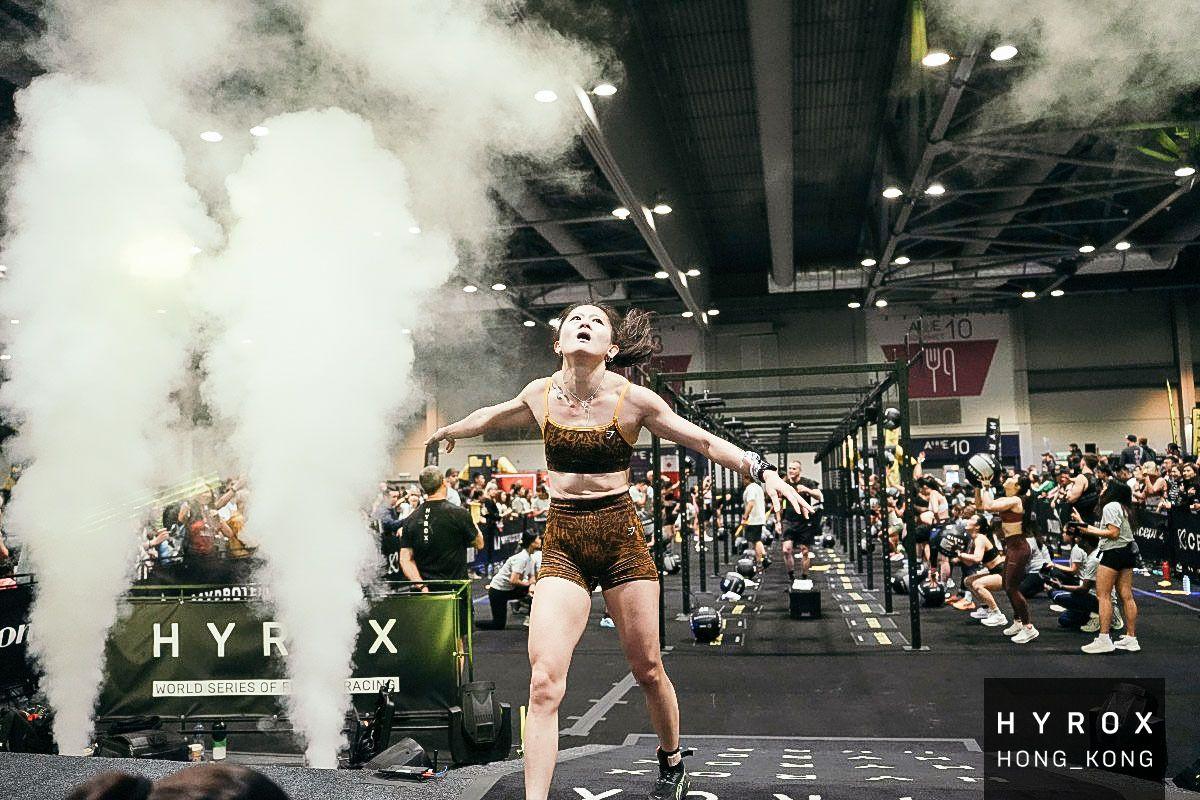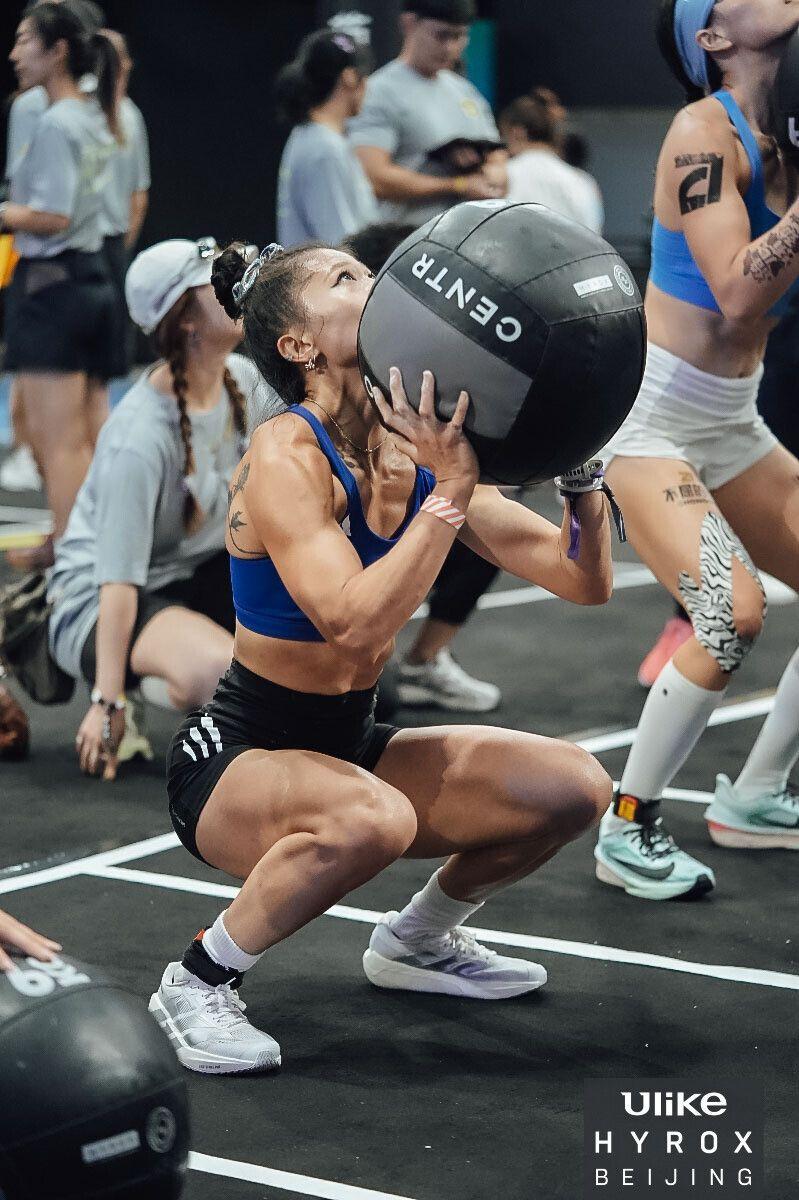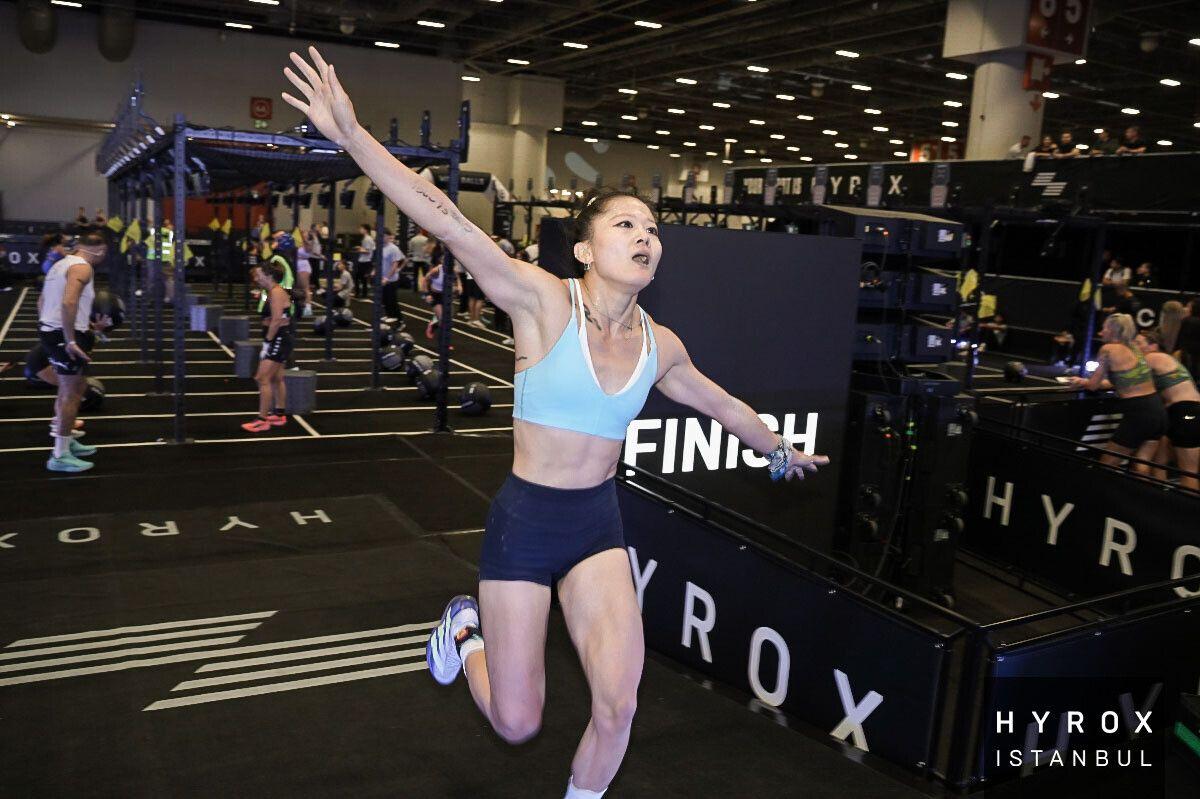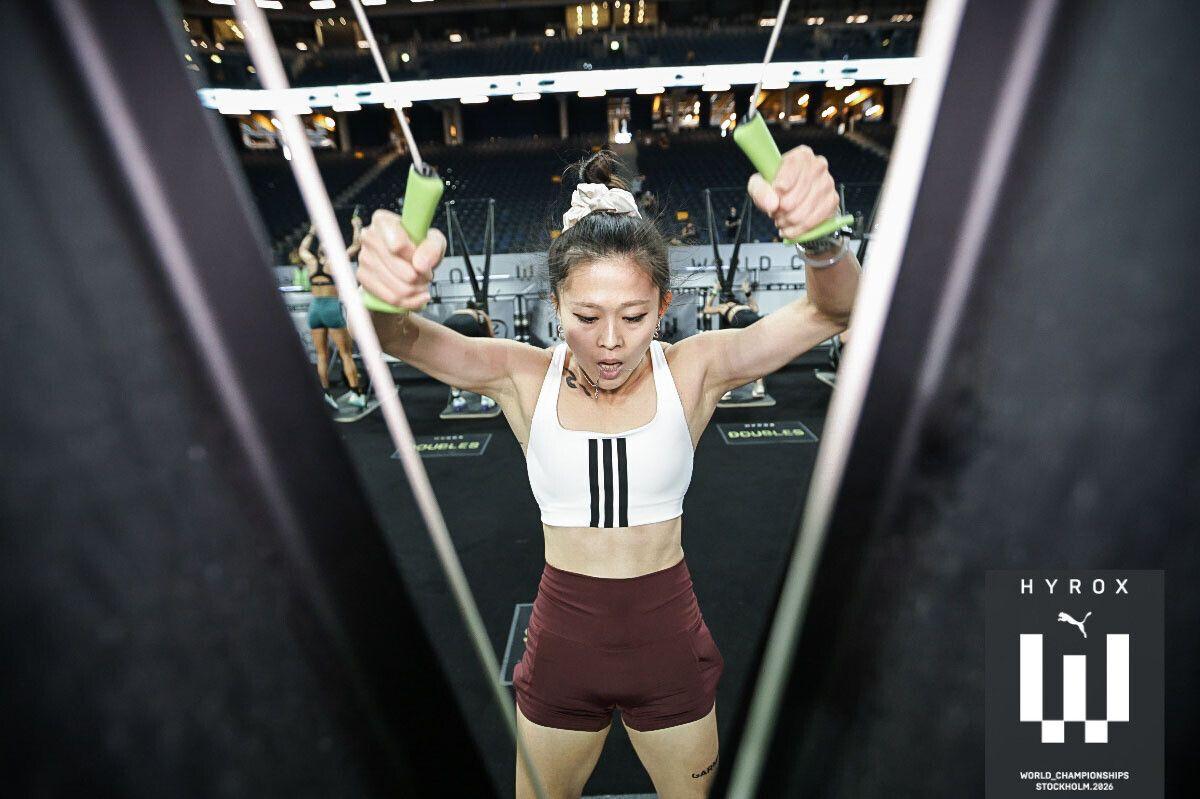
Hi everyone! I'm Pauline Yu (PYY), Taiwan's only 4× Hyrox World Championship qualifier. I want to talk about something I get asked constantly in the DMs, usually phrased like this: which brand should I buy? This guide is a little different from my usual ones, because I'm not writing it from my experience on the race floor. Before I ever competed professionally, I trained as a fashion designer at ESMOD Paris, one of the three great fashion schools in the world, where I spent years studying textiles, pattern-making, and garment construction. And every time, my honest answer surprises people, because it's the wrong question. In years of racing and thousands of training hours, I've worn gear from every price bracket you can imagine, and I've learned that the logo on your chest tells you almost nothing about whether a piece will actually perform when you're drenched in sweat with your heart rate pinned. What matters is the fabric, the cut, and how honestly a garment is built for the movement you're about to do.
Key Takeaways
- ▸Stop shopping by brand and start shopping by three things you can actually evaluate on any garment: the sport you'll do in it, the fabric technology, and the cut. A logo is marketing; these three are physics.
- ▸Sports bra support is not about size, it's about impact. Match the support level to how much your body bounces in that specific activity, and understand the difference between compression, encapsulation, and combination construction before you buy.
- ▸The underband, not the straps, does roughly 80 percent of the support work in a sports bra. If the band rides up or you can slide more than one finger under it easily, the support is already compromised no matter how nice the straps look.
- ▸Moisture-wicking synthetics and merino beat cotton for almost every workout, because cotton soaks up sweat, gets heavy, chafes, and chills you. Fabric weight, four-way stretch, and seam construction matter more than the color you fell in love with.
- ▸Use my 3-Filter Funnel: filter by sport, then by fabric, then by fit, eliminating anything that fails at each stage. What survives all three filters is your shortlist, regardless of price or name.
- ▸Always finish with the 60-second movement test. Squat, reach overhead, jump, and jog on the spot in the fitting room. If anything rides up, digs in, goes see-through, or restricts you, it's out, full stop.
Why "Just Grab Anything" Quietly Costs You
Early in my career I treated apparel as an afterthought. I figured a workout was a workout, and whatever was clean that morning would do the job. Then I ran a hard interval session in a cheap cotton tank and a bra that fit fine standing still, and by the halfway point the tank was a wet, heavy sheet stuck to my ribs, the bra band had crept up under my shoulder blades, and I had raw chafe marks across my chest that stung in the shower for three days. Nothing about my fitness had changed that day. My clothing simply failed me, and it turned a hard session miserable and made my recovery worse.
That's the thing people underestimate: bad activewear doesn't just feel annoying, it actively taxes your performance and your body. A bra that doesn't support properly forces the small stabilizing muscles around your chest and shoulders to compensate, and it can genuinely make you shorten your stride or hold back on jumps without even realizing it. Fabric that traps sweat raises your skin temperature and drags on you. Seams in the wrong place turn into open sores over a long session. Once I started choosing gear deliberately, I stopped losing energy to my own clothing, and I want that for you too.
The Sports Bra Deep Dive: Fabric Tech and What the Support Labels Really Mean
The sports bra is the single most important piece of activewear a woman owns, and it's also the most misunderstood, so let's go deep here. The first concept to internalize is that support should be chosen by impact, not by how you look or even by your cup size alone. I think of it as an Impact Ladder. Low impact covers yoga, Pilates, walking, and steady strength work where your feet stay grounded. Medium impact covers cycling, hiking, skating, and moderate dance. High impact covers running, HIIT, court sports, box jumps, and Hyrox, anything where both feet leave the floor repeatedly and your chest moves in a figure-eight.
Now the construction. There are three ways a bra actually holds you, and knowing them changes how you shop forever. Compression bras press the chest firmly against the body as one unit; they're simple, light, usually pull-over style, and they're brilliant for low to medium impact and smaller busts. Encapsulation bras have separate molded or seamed cups that surround and support each side individually, which controls movement far better and is what larger busts need even at medium impact. Combination bras do both, compressing and encapsulating at once, and that's what most high-impact and larger-bust athletes should reach for. When a label says high support, what it should mean is combination construction with a firm band, not just thick padding.
Here's what to actually look at when you pick one up, in order of how much it matters:
- ▸The underband is your foundation and provides most of the support. It should feel firm and level all the way around, sit snug against your ribs without digging in, and stay put when you raise your arms. A wide, structured band beats a thin elastic strip every time for high impact.
- ▸Fabric should be a moisture-wicking knit, usually a nylon or polyester blend with elastane for stretch and recovery, so it pulls sweat off your skin and snaps back to shape rather than sagging out over a session. Look for ventilation zones or power mesh panels at the back and under the bust where you sweat most.
- ▸Seams and edges are where chafe lives. Bonded, laser-cut, or flat-locked seams sit smooth against skin, while thick overlocked seams and scratchy elastic edges will rub you raw on anything longer than 30 minutes. Run your finger along every internal seam before you commit.
- ▸Straps control the top-end movement. Wide straps distribute load and dig in less, and a racerback locks your shoulders together for the highest support, while adjustable straps let you dial the fit but add hardware that can chafe. Match strap style to impact, not to what looks cute on the hanger.
- ▸Molded cups versus removable pads is a real choice. Molded cups give smooth shaping and consistent support but can trap heat, while removable pads are cooler and washable but shift around and vanish in the laundry. For high-sweat, high-impact work I lean molded; for everyday and travel I like removable.
Reading Everything Else: Fabric × Cut × Sport
Once the bra is sorted, the same literacy applies to leggings, shorts, and tops. On fabric, the golden rule is that moisture management beats everything, so favor technical synthetics or merino wool and treat pure cotton as a rest-day fabric only. For leggings, fabric weight and density decide whether they're squat-proof; hold them up to the light and stretch the fabric across your hand, because thin, low-density knits go sheer the moment you bend over. Four-way stretch, meaning the fabric stretches and recovers both vertically and horizontally, is what lets you move freely without the garment bagging out or restricting you.
On cut, let the sport dictate the shape rather than the trend. Different movements demand genuinely different geometry, and once you see it you can't unsee it. Here's how I map cut to activity:
- ▸For running, prioritize lightweight, minimal-seam pieces, split or lined shorts that don't ride up, and a high, wide waistband that stays put; reflective details matter if you run early or late like I often do.
- ▸For yoga and Pilates, you want the softest high-stretch fabric, a high-rise waistband that won't roll down in inversions, and moderate compression that moves with deep ranges of motion rather than fighting them.
- ▸For lifting, functional fitness, and Hyrox, choose durable, dense, genuinely squat-proof fabric, a locked-in waistband that survives burpees and sled pushes, and enough room through the hips and shoulders to hinge and press without restriction.
- ▸For court sports and HIIT, freedom of movement and a high-support bra come first, with breathable mesh panels and a cut that never restricts a lunge, a pivot, or an overhead reach at full speed.
Two details tie it all together across every category. First, look at where the seams fall relative to where your body rubs, because a flatlock seam is your friend and a bulky seam over a chafe point is a wound waiting to happen on a long session. Second, check the waistband construction on any bottoms, because a wide, bonded, high-rise band with a bit of internal grip is what keeps leggings and shorts from sliding down mid-workout, which is the single most common complaint I hear.
My Method: The 3-Filter Funnel
Here's the original system I use and teach, and it's built as an elimination funnel: instead of hunting for the one perfect item, you pour every option in the top and knock out everything that fails at each stage, so only genuinely suitable pieces reach the bottom. It works online or in a store, on a budget piece or a premium one, because it never once asks what brand this is. You run three filters in this strict order, because each one narrows the field for the next.
Filter 1 is Sport. Before you look at anything, name the primary activity and its impact level on the ladder, plus your climate and how much you sweat. This immediately eliminates whole categories: a low-support pull-over bra is out for running, cotton is out for hot and sweaty sessions, thin leggings are out for deep squatting. If a piece isn't built for your movement and conditions, it fails Filter 1 and you never even check the price.
Filter 2 is Fabric. Of what survives, examine the material honestly. Is it a moisture-wicking technical knit or merino rather than cotton? Does it have four-way stretch and enough density to stay opaque? Are the seams bonded or flatlocked where they'll touch sweaty skin, and is there ventilation where you run hot? Anything that fails these fabric checks drops out here, no matter how flattering it looks on the hanger or the model.
Filter 3 is Fit, and it ends with a non-negotiable test. Try it on and run the 60-second movement test: squat deep and check for opacity, reach both arms overhead and check the band or hem doesn't ride up, jump or jog on the spot and feel whether the bra actually controls the bounce, and do a lunge to check nothing digs in or restricts you. Anything that rides up, digs in, goes sheer, or holds you back is eliminated. Whatever clears all three filters is worth your money, and now you're choosing from a shortlist of pieces that will genuinely perform.
Frequently Asked Questions
Q: Do I really need different bras for different workouts? A: Honestly, yes, at least two. One combination high-support bra for your running, jumping, and high-intensity days, and one lighter compression bra for yoga, walking, and strength days. Wearing a high-impact bra for gentle yoga is uncomfortable and unnecessary, and wearing a light bra for running wears down the supportive tissue in your chest over time, so matching the bra to the impact protects both your comfort and your body long term.
Q: How do I know if leggings are actually squat-proof before I buy online? A: You can't test the squat online, so read the fabric weight if it's listed, look for the words squat-proof or high-density from the maker, and check real customer photos rather than the studio shots. When they arrive, do the light test and a deep squat in front of a mirror at home before you remove the tags. If they go sheer at all, send them back; a genuinely squat-proof pair holds its color fully stretched over your thigh.
Q: Is expensive activewear always better? A: No, and this is the whole point of shopping by fabric and cut instead of by name. Price often reflects marketing, fashion, and brand positioning as much as performance. I've raced in mid-priced gear that outperformed premium pieces, and I've retired expensive items that failed the movement test. Run everything through the 3-Filter Funnel and let the fabric, cut, and fit decide, because your body cannot read a price tag.
At the end of the day, the best activewear is the gear you forget you're wearing because it's doing its job perfectly while you focus on the work. Learn to read fabric, cut, and support, run the three filters, and you'll never be fooled by a logo again. If this helped, come subscribe at paulineyuyu.com for more honest training and gear guidance, and go train hard. You've got this.
Taiwan's elite HYROX Pro athlete and 4× World Championship qualifier. I share my training journey, race insights, and performance notes from the competition floor.